Author name: David Waters

David M. Waters received his Bachelor of Science Degree in Physical Education from the University of Massachusetts at Amherst. His extensive professional experience in field of fitness includes work as a personal training instructor, fitness director, competitive athlete, author and fitness facility manager. Having been involved with exercise and fitness training since 1979, he has had the opportunity to help countless individuals as a physical fitness educator, promoting exercise as a part of an active and healthy lifestyle.

high intensity fitness strength training

New to Strength Training? 9 Beginner Mistakes That Can Sabotage Your Results

Are you new to strength training? Starting a strength training program can be one of the best decisions you make for your health, fitness, and long-term quality of life. Strength training can help you build and maintain muscle, improve strength, make everyday activities easier, and remain physically capable as you get older. But simply going to the gym or lifting weights does not guarantee good results.

Many beginners spend months—or even years—exercising without making the progress they expected. In many cases, the problem isn’t a lack of effort. It’s that they are making some common mistakes that prevent their workouts from producing the results they want. The good news is that most of these mistakes can be corrected.

If you are new to strength training, here are nine common mistakes that can sabotage your results.

1. Not Exercising Regularly

woman in white tank top and white pants doing exercise

One of the most obvious mistakes is also one of the most common: failing to exercise consistently.

You don’t need to train every day to make progress. In fact, depending on the intensity and structure of your workouts, you may need surprisingly little exercise. But whatever program you follow, consistency is essential. Doing several workouts one week and then skipping the next two weeks is unlikely to produce meaningful results. Strength and fitness improvements occur when you provide your body with a regular stimulus over time.

A better approach is to choose a workout schedule that you can realistically maintain. Training consistently is vital to getting good fitness results in the long term.

For some people, this may mean two or three strength training workouts per week. Others may do well with fewer workouts if their training sessions are sufficiently demanding and adequate recovery time is provided. The important point is simple: the best exercise program is one that you can perform consistently.

Don’t design an ambitious workout routine that looks impressive on paper but is impossible to maintain. Start with a realistic schedule and build the habit of regular exercise. Remember = habits are hard to break so make your fitness habits good ones, and don’t vary from them.

2. Using Poor Exercise Form

Proper exercise form is important for both effectiveness and safety. Poor form can reduce the effectiveness of an exercise by shifting the work away from the muscles you are trying to train. It can also place unnecessary stress on joints and other structures. Poor form is probably the most common mistake made by people who do any form of resistance exercise.

Beginners sometimes make the mistake of focusing primarily on the amount of weight they are lifting. They may sacrifice good technique simply to lift heavier weights or complete more repetitions. Just going through the motions and looking to do a specific number of repetitions is not the way to obtain the best results.

Your goal should not be to impress other people in the gym. Your goal should be to make each exercise as productive as possible.

Before increasing resistance, learn how to perform the movement correctly. Use a slow and controlled speed through the full range of motion. Avoid using excessive momentum to help move the weight. As you become more experienced, you can gradually increase the resistance while continuing to maintain good form.

3. Not Training With Enough Intensity

Many people mistakenly believe that simply performing an exercise is enough to stimulate improvements in strength and muscle. Unfortunately, it isn’t always that simple. For your body to be properly exercised, your muscles must be challenged. If every set is stopped when the exercise still feels relatively easy, there may not be enough stimulus to produce significant improvements. This is exactly the problem with exercise programs that simply say things such as “do 10 reps.” You tend to simply do that number of reps, which eventually will fail to provide enough of a challenge to improve your fitness level.

This doesn’t mean that every workout needs to be miserable or that beginners should immediately push themselves beyond their physical capabilities. However, your exercises should require meaningful effort. As your experience and conditioning improve, you should learn to work harder while maintaining proper exercise technique.

One extremely important concept is momentary muscular failure. This is the point during a strength training exercise when your muscles are temporarily unable to perform another repetition using good form. In other words, you eventually want to perform as many strict, proper-form reps as you can and then attempt one more, at which point you fail to complete that repetition.

Training close to this point—or, when appropriate, reaching it—can help ensure that you are placing a significant demand on the working muscles. The key is to balance intensity with good judgment. Challenging exercise is productive. Reckless exercise is not.

4. Doing High-Volume, Low-Intensity Exercise

a shirtless man holding a pair of dumb dumbs

More exercise is not necessarily better exercise. Many people mistakenly think that the quantity of exercise is more important than the quality of exercise. One of the biggest mistakes beginners make is assuming that longer high-volume workouts automatically produce better results. They may perform multiple exercises, numerous sets, and dozens of repetitions, yet never challenge their muscles enough to stimulate meaningful progress. They can also over-train the muscle, which reduces the overall benefit.

This is why some people spend a great deal of time and effort with relatively little in the way of benefits to show for it. High-volume, low-intensity training may leave you feeling tired, but feeling tired is not necessarily the same as effectively stimulating improvements in strength and muscular development.

Instead of asking, “How much exercise can I do?” consider asking, “How much productive exercise do I need?” A shorter, focused workout performed with appropriate intensity may be more productive than spending hours performing endless sets that never sufficiently challenge your muscles.

For beginners, simplicity can be a major advantage. A well-designed routine that includes basic exercises for the major muscle groups, performed with proper form and sufficient effort, can be highly effective.

5. Changing Your Workout Too Frequently

Many beginners are constantly searching for that “perfect” workout. One week they follow a full-body routine. The next week they try a bodybuilding program they found online. Then they switch to a completely different system recommended by someone at the gym. This makes it difficult to determine whether anything is actually working.

Strength training requires time. Your body does not transform after two or three workouts. If you constantly change your exercises and routine, you may never allow yourself to make measurable progress.

That doesn’t mean you should never modify your program. Changes may eventually be necessary as your goals, abilities, and circumstances change. Also, changing up your routine can help combat mental boredom.

But beginners should usually focus on learning a sensible routine, performing it consistently, and tracking their progress over time. Give your program a fair opportunity to work before abandoning it for the latest exercise trend.

6. Getting Information From Poor Sources

The internet provides access to more fitness information than ever before. Unfortunately, it also provides access to an enormous amount of misinformation. Anyone can create a social media account, start a YouTube channel, or post exercise advice online. Having thousands of followers does not necessarily mean someone understands exercise science or knows how to design an effective training program. Many people foolishly follow online “gurus” who regularly provide poor, unscientific training information.
high intensity fitness

The same problem exists in gyms. A friend, training partner, or muscular person at the gym may confidently offer you advice. Generally, they mean well and are trying to help. But confidence and appearance are not necessarily evidence of expertise. Before accepting exercise advice, consider the source.

Does the person have legitimate knowledge and experience? Do they understand basic principles of exercise physiology and strength training? Can they explain why they recommend a particular exercise or training method? Be especially cautious about advice that promises dramatic results with little effort or promotes complicated routines that seem designed primarily to attract attention.

Good training principles are often less exciting than the latest fitness trend—but they are far more valuable.

7. Focusing on Weight Instead of Progress

Beginners often become obsessed with the number written on the weight stack or barbell. While gradually increasing resistance can be an important part of progressive training, more weight is not the only measure of progress. People who become over-focused on how much weight they use, often referred to as ego-lifting, tend to end up with poor form, decreased results, and injuries.

If you can perform an exercise with better control, improved technique, a greater range of motion, or more repetitions using the same resistance, you may be making good progress. Strength training should not become a competition to see how much weight you can move.

The goal is to safely challenge your muscles and gradually improve your physical capabilities. Keep records of your workouts and look for gradual improvements over time. Small increases can eventually produce significant results.

8. Ignoring Recovery

Exercise provides the stimulus for improvement, but recovery is also an essential part of the process. Your body needs time to adapt to the demands of strength training.

Beginners sometimes become enthusiastic and assume that training more frequently will accelerate their results. But if your workouts are sufficiently demanding, performing too much exercise can interfere with your recovery and progress. Adequate sleep, proper nutrition, and sufficient time between demanding workouts all play important roles.

Pay attention to your performance. If you are consistently getting weaker, feeling excessively fatigued, or unable to recover adequately between workouts, your program may need adjustment.

Remember: you don’t improve while you are exercising. Exercise provides the stimulus. Your body improves as it recovers and adapts.

9. Expecting Results Too Quickly

Finally, many beginners sabotage their progress by becoming discouraged too soon. The fitness industry is filled with advertisements promising rapid transformations. These unrealistic expectations can make normal progress seem disappointing.

Building strength and improving fitness is a gradual process. You may notice improvements in how you feel and perform before you see dramatic physical changes. Over time, consistent training can lead to substantial improvements—but patience is required. Don’t judge your entire program after one or two weeks.

Instead, focus on the process. Exercise regularly. Use good form. Train with an appropriate level of intensity. Allow adequate recovery. Track your progress. Then give your body time to respond.

The Bottom Line

Beginning a strength training program doesn’t have to be complicated. You don’t need to spend hours in the gym, performing dozens of exercises, or constantly searching for the latest training method.

The most important principles are surprisingly straightforward: exercise consistently, use proper form, challenge your muscles with sufficient intensity, avoid unnecessary training volume, allow time for recovery, and get your information from knowledgeable sources. Most importantly, remember that strength training is a long-term investment in your health and physical abilities.

Avoid these common mistakes, focus on productive exercise, and give yourself time to improve. The habits you develop when you begin strength training can make a significant difference in the results you achieve—not only in the coming months, but for years to come.


About the Author
David Waters is a fitness professional with more than 40 years of experience in the fitness field. He holds a Bachelor of Science degree in Physical Education from the University of Massachusetts Amherst and has worked as a personal trainer, fitness director, fitness facility manager, competitive athlete, author, and fitness educator.
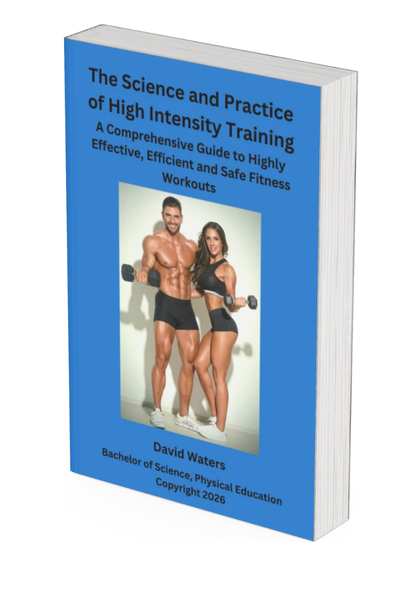
He is the author of The Science and Practice of High Intensity Training, available from SuperFitnessForever.com.

Fitness Information Disclaimer: The information provided on SuperFitnessForever.com is intended for general educational and informational purposes only. It is not intended to diagnose, treat, or prevent any medical condition, nor does it constitute medical or professional advice.
The information on this website does not prescribe an exercise program for any individual. Exercise involves inherent risks, and results can vary from person to person. SuperFitnessForever.com and David Waters are not responsible for any injury, loss, or damage that may result from the use of information provided on this website or participation in any exercise program. Consult your physician or other qualified healthcare professional before beginning a new exercise program, particularly if you have a medical condition, injury, or concerns about your ability to exercise safely.

Affiliate Disclosure: Some links on this website are affiliate links. This means I may earn a small commission if you purchase a product through one of these links, at no additional cost to you. I only recommend products, books, and services that I believe may be useful to my readers. Thank you for supporting my website.

New to Strength Training? 9 Beginner Mistakes That Can Sabotage Your Results Read More »
high intensity fitness strength training

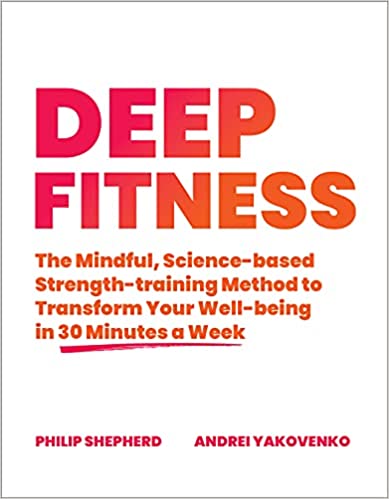
Deep Fitness Book Review: Does This Book Really Make 30 Minutes of Exercise a Week Enough?

Deep Fitness Book

Deep Fitness by Philip Shepherd and Andrei Yakovenko takes an interesting approach to strength training. The book’s full subtitle—The Mindful, Science-Based Strength Training Method to Transform Your Well-Being in Just 30 Minutes a Week—immediately raises an intriguing question:

Can a small amount of highly focused exercise really produce meaningful improvements in fitness and health?

The authors believe it can.

Deep Fitness combines the principles of High Intensity Training (HIT) with the practice of mindfulness. The goal is not simply to exercise harder, but to become more aware of what you are experiencing while performing demanding exercise. As someone who has been involved in fitness education and High Intensity Training for decades, I found much of the book particularly interesting. The authors have done an impressive job of researching the scientific foundations of strength training and explaining why intense exercise can have such profound effects on health.

There are also some areas of the book that I disagree with, particularly the exercise selection and the lack of discussion about traditional free-weight training. Overall, however, Deep Fitness is a well-researched and thought-provoking book that is worth considering for anyone serious about strength training.

The Science Behind High Intensity Training

The first half of Deep Fitness is devoted primarily to explaining High Intensity Training and the science behind strength training. This was my favorite part of the book. The authors provide a substantial amount of scientific information about the benefits of strength training, particularly as they relate to maintaining health and physical function as we age. As an exercise science enthusiast, I appreciated the amount of research and documentation supporting their explanations.

One particularly important topic introduced early in the book is sarcopenia—the age-related loss of muscle mass and strength. The authors describe sarcopenia as a modern epidemic and provide an extensive list of health problems associated with declining muscular strength and mass. The list occupies roughly a page and a half of the book and makes an important point: Maintaining muscle and strength is about much more than looking fit. It is an important component of maintaining health and independence as we age. That is a message that deserves considerably more attention.

Beginning with Chapter Two, The Next Health Revolution, and continuing into Chapter Three, The Principles of Strength Training, the authors explore the science behind effective resistance training. They discuss the importance of muscular intensity, proper exercise technique, and recruiting the muscle fibers necessary to produce meaningful adaptations.

The book also gives appropriate attention to Arthur Jones, one of the most influential figures in the development of High Intensity Training. Jones challenged many conventional ideas about exercise and emphasized brief, intense, carefully performed workouts. The famous West Point Project Total Conditioning study is also discussed. The research examined different approaches to physical conditioning and provides an interesting historical perspective on strength and cardiovascular training. This somewhat forgottrn study was lead by Jones at the U.S. Army Academy in 1975.

The authors also examine the work of Kenneth Cooper, who popularized the term “aerobics” and strongly advocated steady-state endurance exercise. Deep Fitness makes a compelling argument that aerobic exercise alone is not enough. Cardiovascular fitness is certainly important, but it does not replace the need for strenuous muscular exercise.

Strength Training, Muscle Failure, and Myokines

One of the strongest sections of the book is its discussion of strength-training principles.

he authors emphasize performing exercises with slow, controlled movements and strict technique, eventually taking the muscles to momentary failure. They also discuss super-slow training, in which each repetition is performed extremely slowly.

At one point, they describe an even more extreme variation that could almost be called “Super Duper Slow.” The technique involves approximately 30 seconds to lower the resistance, 30 seconds to raise it, and another 30 seconds to lower it again.

That means approximately 90 seconds for just 1½ repetitions. Whether someone needs to train quite that slowly is certainly debatable, but there is no question that such a technique demands tremendous concentration and muscular effort. Im my opinion this very difficult, effective and safe method does not need to be considered as a way to train by the vast majority of people. It seems too boring, mundane and counter intuitive to use as a regular training protocol.

Why Myokines Matter

Another fascinating scientific topic discussed in Deep Fitness is the role of myokines. Myokines are signaling molecules produced and released by skeletal muscle in response to muscular contractions. Their effects extend far beyond the muscles themselves.

Research has shown that myokines are involved in communication between skeletal muscle and other tissues throughout the body, including fat, bone, liver, pancreas, cardiovascular tissue, the immune system, and the brain. This helps explain why exercise can have such wide-ranging effects on the body.

The authors discuss potential benefits associated with exercise-induced myokine activity, including:

  • Reducing dangerous visceral fat
  • Supporting bone health
  • Improving blood vessel function
  • Supporting learning and memory
  • Reducing the risk of metabolic disease
  • Helping regulate inflammation
  • Supporting healthy tissue function

This is one of the areas where Deep Fitness does an excellent job of connecting exercise physiology with overall health.Exercise isn’t simply about building bigger muscles or burning calories. Contracting your muscles can trigger biological processes that affect your entire body.

Mindfulness and Mindful Strength Training to Failure

The second major concept introduced by the authors is MSTF—Mindful Strength Training to Failure. The basic idea is simple: Instead of mentally checking out while exercising, pay close attention to the experience.

Mindfulness generally involves being fully present in the moment and observing what is happening without immediately judging the experience. Although mindfulness is often associated with meditation, meditation is only one way to practice mindfulness. Exercise can be another.

When performing a demanding set of resistance exercise, there is an enormous amount happening. You can feel the muscles contracting, fatigue developing, breathing changing, and the resistance becoming progressively more difficult to move. MSTF encourages you to pay attention to all of it.

Learning to Appreciate Exercise Intensity

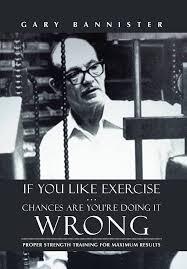
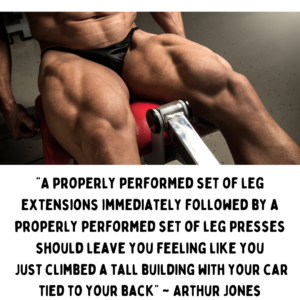
Arthur Jones famously said:

If you enjoy exercise chances are you are doing it wrong.”

Book jones

The statement was intended to emphasize just how demanding productive High Intensity Training can be. Training a muscle to momentary failure is both physically and mentally

difficult. It can produce significant discomfort, and most people would probably not describe the final repetitions of a hard set as “fun.”

But there is an interesting psychological problem here. If someone views exercise entirely as something unpleasant, how likely are they to continue doing it for years?

This is where the mindfulness component of Deep Fitness becomes particularly interesting. Rather than automatically labeling the sensations associated with intense exercise as “pain,” a person can learn to observe those sensations without immediately judging them as negative.

Personally, I think the terminology matters. Instead of thinking, “This hurts,” someone might think, “I’m experiencing intense muscle fatigue.” The term for the exercise pain might best be changd to muscle fatigue sensation.

That doesn’t make the exercise easier. But it may change the person’s psychological relationship with the experience. Over time, that change in perspective could make it easier to consistently perform challenging workouts.

The Exercise Section: Where I Have Some Reservations

Unfortunately, I found one significant weakness in Deep Fitness: the exercise section. The book includes detailed descriptions and illustrations of numerous exercises. There is a section devoted to machine exercises and another covering body-weight and resistance-band exercises.

The machine exercises are generally well presented, and the photographs appear to have been taken at the authors’ fitness facilities, New Element Training. The body-weight exercises are also useful. My biggest concern is the emphasis on resistance bands.

Resistance bands certainly have their place. They are inexpensive, portable, and better than having no resistance-training equipment at all. However, they have significant limitations when compared with properly designed resistance-training machines or free weights. One important issue is the strength curve of an exercise. Arthur Jones, for example, designed variable-resistance cams for Nautilus machines to better match the changing strength capability of a muscle throughout a range of motion.

Fitness equipment 2187128

A resistance band produces a very different and inferior resistance curve. That doesn’t make bands useless. But it does make them a limited substitute for other forms of resistance training.

The Missing Piece: Barbells and Dumbbells

More surprising to me is the complete lack of discussion of barbells and dumbbells. This is a significant omission. Barbells and dumbbells remain among the most common forms

of strength-training equipment in the world. They are found in virtually every commercial gym and are widely available for home training. In the overall history of exercise they are considered perhaps the most significant invention ever.

Someone reading Deep Fitness is likely to want to apply the principles discussed in the book to the equipment they already have. For that reason, I believe the authors should have included an entire section explaining how their High Intensity Training principles could be applied to free-weight exercises.

The book’s philosophy is valuable. But readers also need practical guidance on how to implement that philosophy with the equipment available to them.

The Personal Stories Behind Deep Fitness

One of the most enjoyable sections of the book is the collection of personal fitness stories near the end.

Four individuals describe their experiences with Mindful Strength Training to Failure, including the two authors themselves. They explain their individual fitness journeys and describe how High Intensity Training became an important part of their lives.

I found these stories particularly interesting because I have spent many years both teaching and participating in High Intensity Training. I’m always interested in hearing how other serious trainees approach exercise. One important point comes through clearly in these stories:

High Intensity Training isn’t a single exercise program.

Instead, it is a collection of principles that can be applied to an individual’s own training program. Different people can use the same fundamental principles while performing different exercises, using different equipment, and following different routines. That flexibility is one of the strengths of the HIT approach.

My Overall Deep Fitness Review

Despite the shortcomings I’ve mentioned, I consider Deep Fitness an excellent resource.

The scientific information is one of the book’s greatest strengths. The authors do an excellent job explaining why physical activity—particularly challenging resistance exercise—can have such profound effects on our health. Their discussion of High Intensity Training principles is also impressive.

Most recreational exercisers don’t necessarily understand how intensity, muscular fatigue, exercise technique, recovery, and progressive overload work together to produce results. Deep Fitness provides a detailed explanation of these concepts while also introducing an interesting psychological component through mindfulness.

I particularly enjoyed the attempt to connect the physical experience of intense exercise with the mental experience of being fully present during that exercise.

I don’t agree with everything in the book. The lack of discussion about barbells and dumbbells is a significant weakness, and I believe the resistance-band section could have been handled differently. But those criticisms don’t diminish the book’s overall value.

Is Deep Fitness Worth Reading?

Yes.

If you are interested in strength training, High Intensity Training, exercise science, aging, or the psychological side of exercise, Deep Fitness is worth reading. The book asks us to look at exercise differently. Instead of simply trying to “get through” a workout, perhaps we should pay attention to what is actually happening during those difficult moments.

The muscle fatigue.

The effort.

The changing sensations.

The mental challenge.

And the knowledge that those difficult muscular contractions may be producing benefits throughout the body. That combination of science, High Intensity Training, and mindfulness is what makes Deep Fitness different from the typical fitness book—and ultimately makes it worth a look.


About the Author
David Waters is a fitness professional with more than 40 years of experience in the fitness field. He holds a Bachelor of Science degree in Physical Education from the University of Massachusetts Amherst and has worked as a personal trainer, fitness director, fitness facility manager, competitive athlete, author, and fitness educator.
He is the author of The Science and Practice of High Intensity Training, available from SuperFitnessForever.com.


Fitness Information Disclaimer

The information provided on SuperFitnessForever.com is intended for general educational and informational purposes only. It is not intended to diagnose, treat, or prevent any medical condition, nor does it constitute medical or professional advice.
The information on this website does not prescribe an exercise program for any individual. Exercise involves inherent risks, and results can vary from person to person. SuperFitnessForever.com and David Waters are not responsible for any injury, loss, or damage that may result from the use of information provided on this website or participation in any exercise program.
Consult your physician or other qualified healthcare professional before beginning a new exercise program, particularly if you have a medical condition, injury, or concerns about your ability to exercise safely.


Affiliate Disclosure Some links on this website are affiliate links. This means I may earn a small commission if you purchase a product through one of these links, at no additional cost to you. I only recommend products, books, and services that I believe may be useful to my readers. Thank you for supporting my website.


Deep Fitness Book Review: Does This Book Really Make 30 Minutes of Exercise a Week Enough? Read More »

high intensity fitness strength training

Is High Intensity Training Right for You? Benefits, Workouts, and How to Get Started

High Intensity Training (HIT) can be an effective way for men and wmen to improve strength, fitness, and body composition without spending hours in the gym. But is it right for you? For many people, the answer is yes.

A properly designed High Intensity Training program can help you build strength and muscle, improve body composition, support cardiovascular health, and become more physically capable. One of the biggest advantages is efficiency: HIT workouts are generally brief, focused, and demanding.

However, high intensity does not mean that everyone should immediately begin exercising at maximum effort.

If you have been inactive, are significantly overweight, or have any medical concerns, consult your physician before beginning an exercise program. If you have not exercised regularly, it is sensible to begin at a lower intensity and gradually increase the demands of your workouts as your fitness improves.

High Intensity Training for Fitness Over 40 Strength Training for Women & Men

Start conservatively. One or two short sessions per week should be enough initially. Over the following weeks and months, you can gradually increase the duration and the intensity level of your training as your body adapts. The goal is not to prove how hard you can exercise on your first day. The goal is to build your fitness progressively and sustainably.

What Is High Intensity Training?

High Intensity Training is a strength-training approach that emphasizes brief, focused, high-effort workouts.

Rather than performing a large number of sets and spending long periods exercising, HIT focuses on making each working set of each exercise highly productive. Exercises are generally performed with controlled technique and enough effort to bring the target muscles to momentary muscular failure—the point at which you cannot complete another repetition with proper form.

This is one of the defining characteristics of the HIT approach. A workout doesn’t have to be long to be effective. In fact, one of the major advantages of High Intensity Training is that you can accomplish a great deal of productive exercise in a relatively short period.

What Equipment Do You Need for High Intensity Training?

You don’t need an expensive home gym or a room full of specialized equipment to perform effective High Intensity Training. A variety of equipment can be used, including:

  • Dumbbells
  • Barbells
  • Weight-training machines
  • Resistance bands
  • Bodyweight exercises

The equipment itself is not necessarily the most important factor. How you perform the exercise is often more important than what equipment you use.

Proper technique, appropriate resistance, controlled movement, and sufficient effort determine whether an exercise provides an effective training stimulus. For example, a well-performed bodyweight squat can be highly productive, just as a properly performed machine exercise can be. The important question is whether the exercise effectively challenges the muscles you are trying to train.

How Long Should a High Intensity Workout Be?

One of the most appealing features of High Intensity Training is its efficiency. A productive workout does not need to last an hour or more. Depending on your program, fitness level, and number of exercises, a full-body HIT workout can often be completed in less than 30 minutes.

The exact duration isn’t the most important consideration. What matters is the quality and intensity of the work you perform. A high-intensity workout should be relatively brief but demanding. Working sets are performed with enough effort to bring the muscles to momentary failure while maintaining proper technique.

Once you have reached that point, continuing to perform additional repetitions with poor form isn’t productive. Because these workouts place a significant training demand on your muscles, adequate recovery is essential. Many people benefit from allowing at least several days between challenging full-body HIT sessions.

What Are the Benefits of High Intensity Training?

When properly designed and combined with good nutrition and recovery, strength training can provide a wide range of benefits.

Potential benefits include:

  • Increased muscular strength
  • Muscle growth and preservation of lean muscle
  • Improved body composition
  • Support for healthy metabolism
  • Improved cardiovascular and cardiorespiratory fitness
  • Better blood-sugar management
  • Improved mobility and physical function
  • Support for bone health
  • Greater physical independence
  • Improved confidence and self-esteem
  • Support for cognitive and brain health
  • Improved overall quality of life

These benefits don’t come from simply exercising at high intensity. They result from providing your body with an appropriate training stimulus and then giving it the nutrition, rest, and recovery it needs to adapt.

What Does a High Intensity Training Workout Look Like?

A basic full-body HIT workout typically includes exercises that target the major muscle groups. For example, a workout might include:

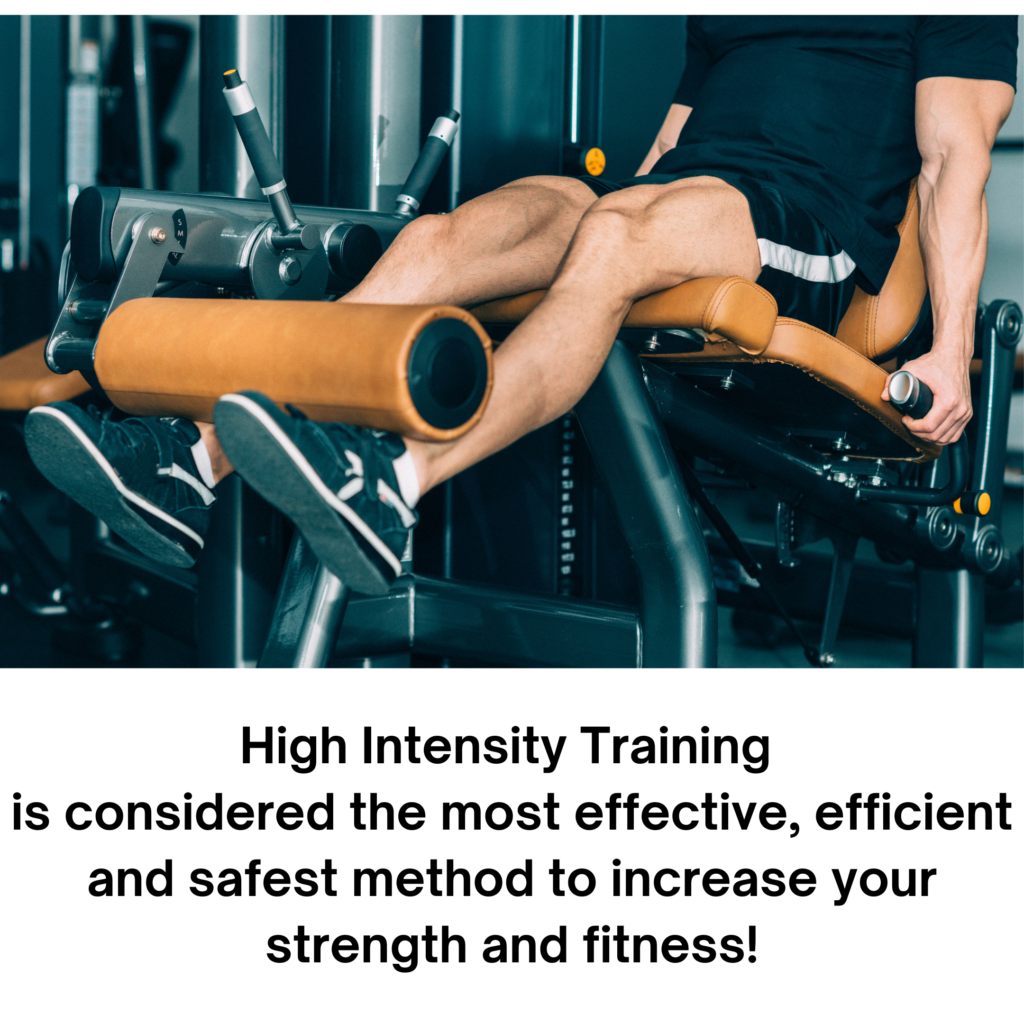
High Intensity Training is considered the most effective, efficient and safest way to increase overall strength and fitness!
  1. Leg press
  2. Leg extension
  3. Leg curl
  4. Calf raise
  5. Lat pulldown
  6. Chest press
  7. Lateral raise
  8. Barbell or dumbbell curl
  9. Triceps pushdown
  10. Weighted abdominal exercise

This is simply an example. You don’t necessarily need all ten exercises, and the ideal exercise selection will vary depending on your goals, equipment, fitness level, and individual circumstances. The basic principle is to select exercises that efficiently train the major muscle groups and perform them with sufficient effort and good technique.

For an experienced trainee, a full-body HIT workout performed approximately twice per week can be an effective approach to developing overall strength and fitness. If you’re new to this style of training, however, you may need less volume and intensity while you become accustomed to the demands of the workouts.

How Many Repetitions Should You Perform?

There is no magic number of repetitions that works for everyone. A common guideline for many resistance exercises is approximately 8–12 repetitions, but the appropriate number can vary depending on the exercise, resistance, individual ability, and training objective.

The important point is that your muscles cannot count repetitions. If you reach 10 repetitions and could easily perform five more, you haven’t necessarily provided the same stimulus as someone who reaches momentary failure at 10 repetitions.

Rather than becoming obsessed with a specific number, focus on performing each repetition correctly and challenging the target muscles appropriately.

Some HIT programs also use time under tension or time under load as a way of monitoring the duration of a working set. A set might take approximately 60–120 seconds to reach momentary failure, depending on the exercise and the individual’s capabilities.

These are guidelines—not rigid rules. Good technique and productive muscular effort are more important than hitting an arbitrary number.

Maintain Proper Exercise Form

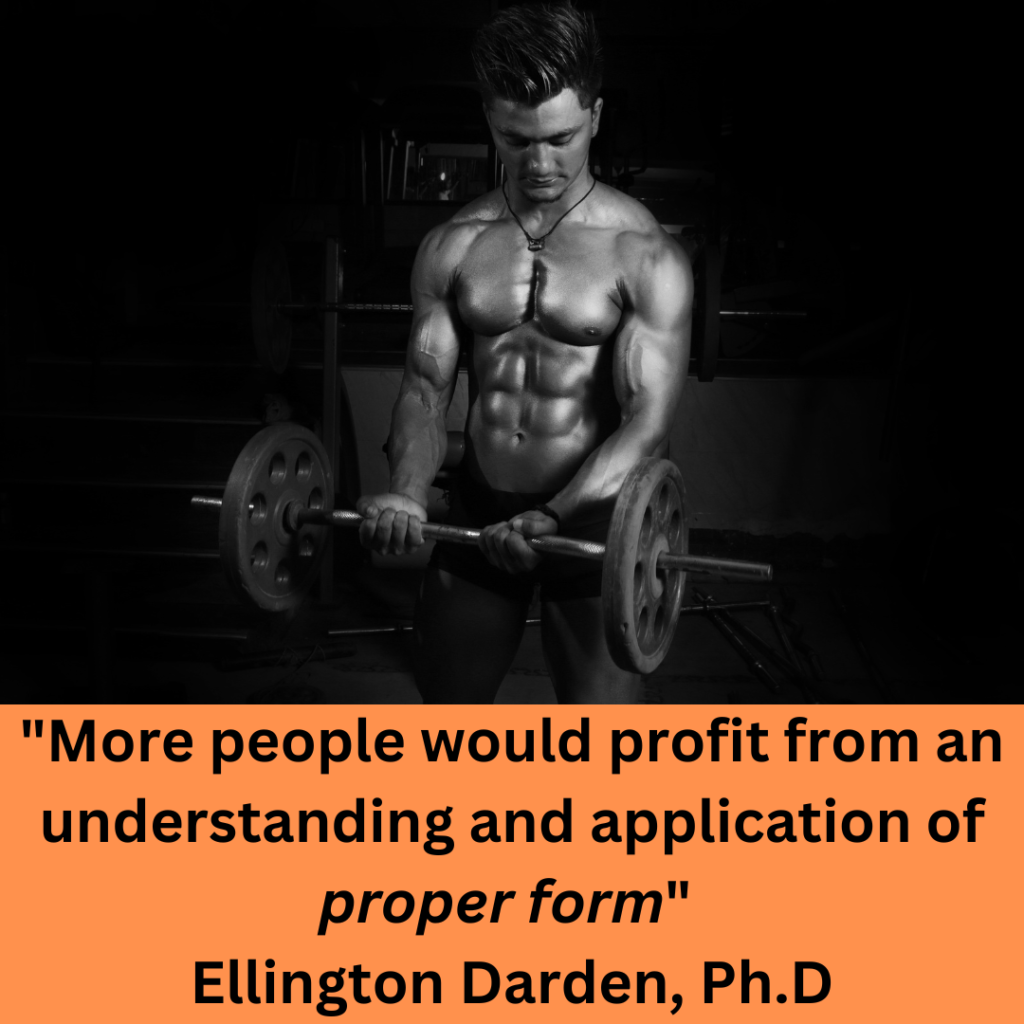
Proper form is one of the most important components of High Intensity Training.

When an exercise becomes difficult, there is a natural tendency to speed up, jerk the weight, or use other body movements to help complete the repetition. Resist that temptation. Instead, use controlled movements throughout the entire range of motion. A useful starting point is to take approximately 2–3 seconds to lift the resistance and 4–6 seconds to lower it. Some people may find an even slower tempo, such as five seconds up and five seconds down, effective.

Proper form darden

The exact tempo isn’t as important as maintaining smooth, controlled movement. Avoid allowing the resistance to simply drop during the lowering portion. The eccentric or lowering phase of an exercise can provide a significant training stimulus, and controlling it keeps the target muscles working. Using momentum may allow you to move more weight or perform additional repetitions, but it can also reduce the amount of work being performed by the muscles you’re trying to train. Make the muscles do the work—not momentum.

How Do You Progress With High Intensity Training?

Progressive overload is an important part of effective strength training. As your muscles become stronger, you should gradually increase the training demand. One simple approach is to use a repetition range. For example, if you’re working within an 8–12 repetition range, you might increase the resistance slightly once you can perform 12 repetitions with excellent form.

Another approach is to monitor the amount of time you can maintain muscular tension before reaching momentary failure.

Regardless of the method you use, progression should be gradual. Never sacrifice proper technique simply to lift more weight. Performing an exercise correctly with a slightly lighter resistance is far more productive than using excessive weight and relying on momentum or poor form.

What Should You Eat After a High Intensity Workout?

You don’t need an expensive supplement regimen to support your recovery. Good nutrition starts with a balanced diet that provides sufficient protein, carbohydrates, healthy fats, vitamins, minerals, and calories appropriate for your individual needs.

After a demanding workout, staying hydrated is important. Water is usually sufficient for hydration during and after ordinary strength-training sessions. A protein-rich meal or snack after training can also provide the amino acids your body needs for muscle repair and adaptation. Good food choices include:

  • Eggs
  • Lean poultry
  • Fish
  • Lean meats
  • Beans and other legumes
  • Greek yogurt or other dairy foods

Including a source of carbohydrate can also be appropriate, particularly if you are active and need to replenish energy. Fruits such as apples or bananas are simple options.

You don’t need to become obsessed with a narrow “post-workout window.” What matters much more is your overall daily nutrition and adequate protein intake.

Rest and Recovery Are Part of the Workout

One of the most important concepts in High Intensity Training is that the workout itself is only the stimulus. The actual adaptation takes place afterward. When you perform a challenging strength workout, you place stress on your muscles and other systems of the body. During recovery, your body repairs and adapts to that stress. This is how you become stronger.

If you continually train hard without giving yourself sufficient recovery time, you may interfere with that adaptation process and find that your progress eventually stalls. For this reason, I generally recommend allowing at least three days of recovery between demanding full-body HIT workouts, particularly when you are training close to momentary muscle failure.

More advanced trainees or people performing particularly demanding workouts may require additional recovery. Your recovery needs can also change as you get older, as your fitness level improves, or as your training intensity increases.

Don’t Underestimate Sleep and Hydration

Nutrition isn’t the only component of recovery. Adequate sleep gives your body time to repair and adapt, while proper hydration supports normal physical function and recovery. Dehydration can contribute to symptoms such as fatigue, dizziness, nausea, and reduced exercise performance.

Recovery isn’t wasted time. Recovery is when your body turns the training stimulus into an adaptation.

Is High Intensity Training Right for You?

High Intensity Training isn’t the only effective way to exercise, and it isn’t necessarily appropriate for everyone. Some people prefer lower-intensity or higher-volume training. Others thrive on brief, demanding workouts.

The best exercise program is one that is appropriate for your current fitness level, fits your lifestyle, and allows you to train consistently. If you’re healthy, have some experience with exercise, and enjoy challenging yourself, HIT may be an excellent option.

If you’re currently sedentary, start gradually. You don’t have to begin with an extremely intense workout. Build a foundation of fitness first, then progressively increase the demands placed on your body.

And remember that high intensity doesn’t mean reckless intensity. The objective isn’t to make every workout as brutal as possible. It’s to provide an effective stimulus, recover from it, and gradually become stronger and fitter.

Start Where You Are and Build From There

You don’t need to be in excellent shape before you begin strength training. You simply need to start at a level appropriate for you.

As your fitness improves, you can gradually increase resistance, intensity, and training demands. With patience and consistency, those small improvements can add up to significant changes in strength, body composition, and physical capability. High Intensity Training can be remarkably efficient, but its effectiveness ultimately depends on how you apply it.

Use appropriate exercises.
Train with purpose.
Maintain strict form.
Challenge your muscles.
Allow adequate recovery.
And give your body the nutrition it needs to adapt.

Train hard—but train intelligently. That is what makes High Intensity Training more than just a difficult workout. It is a systematic approach to becoming stronger, fitter, and more capable.


About the Author
David Waters is a fitness professional with more than 40 years of experience in the fitness field. He holds a Bachelor of Science degree in Physical Education from the University of Massachusetts Amherst and has worked as a personal trainer, fitness director, fitness facility manager, competitive athlete, author, and fitness educator.
He is the author of The Science and Practice of High Intensity Training, available from SuperFitnessForever.com.


The information provided on SuperFitnessForever.com is intended for general educational and informational purposes only. It is not intended to diagnose, treat, or prevent any medical condition, nor does it constitute medical or professional advice.
The information on this website does not prescribe an exercise program for any individual. Exercise involves inherent risks, and results can vary from person to person. SuperFitnessForever.com and David Waters are not responsible for any injury, loss, or damage that may result from the use of information provided on this website or participation in any exercise program.
Consult your physician or other qualified healthcare professional before beginning a new exercise program, particularly if you have a medical condition, injury, or concerns about your ability to exercise safely.


Affiliate Disclosure Some links on this website are affiliate links. This means I may earn a small commission if you purchase a product through one of these links, at no additional cost to you. I only recommend products, books, and services that I believe may be useful to my readers. Thank you for supporting my website.

Is High Intensity Training Right for You? Benefits, Workouts, and How to Get Started Read More »

high intensity fitness strength training

Muscle Failure: Is Training to Failure Really Necessary to Build Muscle?

To perform strength training effectively using High Intensity Training methods, you need to understand what momentary muscle failure is and why it is important. In simple terms, muscle failure occurs when you have performed as many repetitions as you can and can no longer complete another repetition in good form.

However, there is more to the concept than simply reaching a predetermined number of repetitions. Understanding what is happening within the muscle—and how to reach muscle failure safely and effectively—can help you get more from every exercise.

Muscle Failure Basics

Muscle fibers are capable of producing two basic types of movement during resistance exercise. They can contract and shorten, or they can lengthen while remaining under tension.

When a muscle shortens while producing force, this is called a concentric contraction. When the muscle lengthens while producing force, it is called an eccentric contraction. These are often referred to as the positive and negative portions of an exercise.

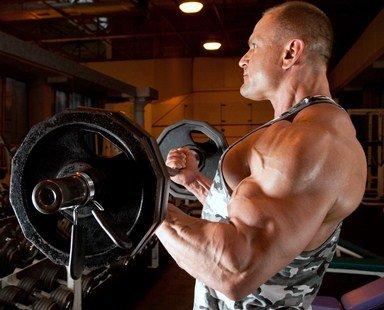
barbell curls to muscle failure

An important characteristic of muscle function is that you are generally stronger during the eccentric portion of a movement than during the concentric portion. Focus on what happens when you lift something heavy. You may reach a point where you can no longer lift it, yet you can usually still control the weight downward as you lower it.

This makes sense from a practical standpoint. If your muscles were equally strong in both directions, you might be able to lift something heavy but then have no ability to control its descent.

During a normal strength-training exercise, the working muscles contract through the available range of motion. As you continue performing repetitions, fatigue gradually increases. The objective of high-intensity training is to place enough stress on the target muscles to produce a meaningful training stimulus while maintaining safe and controlled technique. Focus on muscle failure to guide effort and ensure high-quality reps.

This is where momentary muscle failure becomes important.

What Is Momentary Muscle Failure?

There are different types of muscle fibers within the major muscle groups, and they have different characteristics and functions. A productive strength-training exercise should involve the recruitment of as many available muscle fibers as possible.

One way to accomplish this is to continue a set until you reach momentary muscle failure.

Momentary muscle failure is the point at which you are unable to complete another repetition in good form.

Moreover, despite your genuine effort, you have reached the limit to produce enough force for the concentric portion.

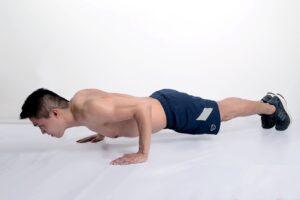
Consider the push-up as an example.

You begin performing push-ups with good technique. However, fatigue accumulates, and each repetition becomes harder. Eventually, you reach muscle failure on a rep that requires considerable effort.

You attempt another repetition.

You push as hard as you can, but somewhere during the upward movement, your muscles can no longer generate enough force to continue. Your body stops moving upward despite your effort.

You have reached concentric momentary muscle failure.

At this point, you may still be capable of controlling your body during the downward portion of the movement because your muscles can produce greater force eccentrically. You can lower yourself slowly and under control.

That distinction is important. Muscle failure does not necessarily mean that your muscles are completely incapable of producing force. It means that they can no longer produce enough concentric force to complete another repetition with proper technique.

Training to Failure Requires Intensity

Training to momentary muscle failure is difficult. It requires effort, concentration, and the willingness to continue a set when the exercise becomes uncomfortable. That is one reason many people never actually reach muscle failure.

https://superfitnessforever.com/wp-content/uploads/2024/03/Add-a-subheading-6.png

Instead, they follow a predetermined repetition target.

For example, someone may decide, ‘I’m going to do 10 repetitions.’

They stop when they reach number 10.

However, the problem is that 10 repetitions is simply a number.

It doesn’t necessarily tell you how much effort was required to perform those repetitions or indicate muscle failure.

If you could have performed 12 or 13 good repetitions, stopping at 10 means you ended the set before reaching your maximum level of momentary effort. This illustrates the problem with many training routines and well‑intentioned advice. If you read or are told to do a certain arbitrary number of reps, it does not relate to the actual number of reps that your muscles are capable of performing, which is a key factor in avoiding muscle failure.

A more productive mindset is: “I will perform as many repetitions as I can with proper form.”

This doesn’t mean performing sloppy repetitions simply to increase the number on your workout log.

However, that is the opposite.

Good form with slow, smooth movement remains the priority.

The objective is to continue the set until another properly performed repetition is no longer possible.

This signals muscle failure and sets the limit for the effort.

This approach bases intensity on actual muscular performance instead of a number.

That keeps effort aligned with real effort capacity.

Changing Your Perception of Muscle Fatigue

There is another aspect of training to failure that is often overlooked: your perception of the effort involved.

When you perform a demanding set, you will feel your muscles working intensely. However, as fatigue rises, the sensation intensifies. For some people, this sensation is interpreted as pain, which can signal muscle failure and prompt quitting.

It can be helpful to distinguish between the normal discomfort associated with intense muscular fatigue and actual pain that may indicate injury. You might think of the former as a muscle fatigue sensation or simply the feeling of intense muscular effort.

This is partly a matter of attitude and experience. Learning to recognize what intense muscular effort feels like can help you stay focused. When a set becomes difficult, you maintain focus. However, this does not mean that you should ignore sharp, sudden, or unusual pain. Pain from an injury is different from normal burning, fatigue, or effort during a challenging set. Any injury from proper training is exceptionally rare. This awareness helps prevent muscle failure during tough sets.

Is Training to Muscle Failure Safe?

When performed appropriately, training to momentary muscle failure can be incorporated safely into a resistance-training program. However, safety depends heavily on exercise selection. Safety also depends on appropriate resistance, proper technique, and the individual’s physical condition.

As with any exercise program, anyone with medical concerns or existing injuries should consult an appropriate healthcare professional before beginning or significantly changing a training routine. One of the most important factors in safe resistance training is how you move the weight.

Muscle and connective-tissue injuries can occur when excessive forces are placed on the body. Movements performed suddenly or with poor control increase the risk of injury, especially to the muscles and surrounding tissues. Proper form and controlled practice help prevent muscle failure and related injuries.

Why Slow, Controlled Movement Matters

The relationship between force, mass, and acceleration is described by the familiar physics equation:

Force = Mass × Acceleration

When you move a resistance rapidly, acceleration can increase the forces placed on your muscles, tendons, and joints.

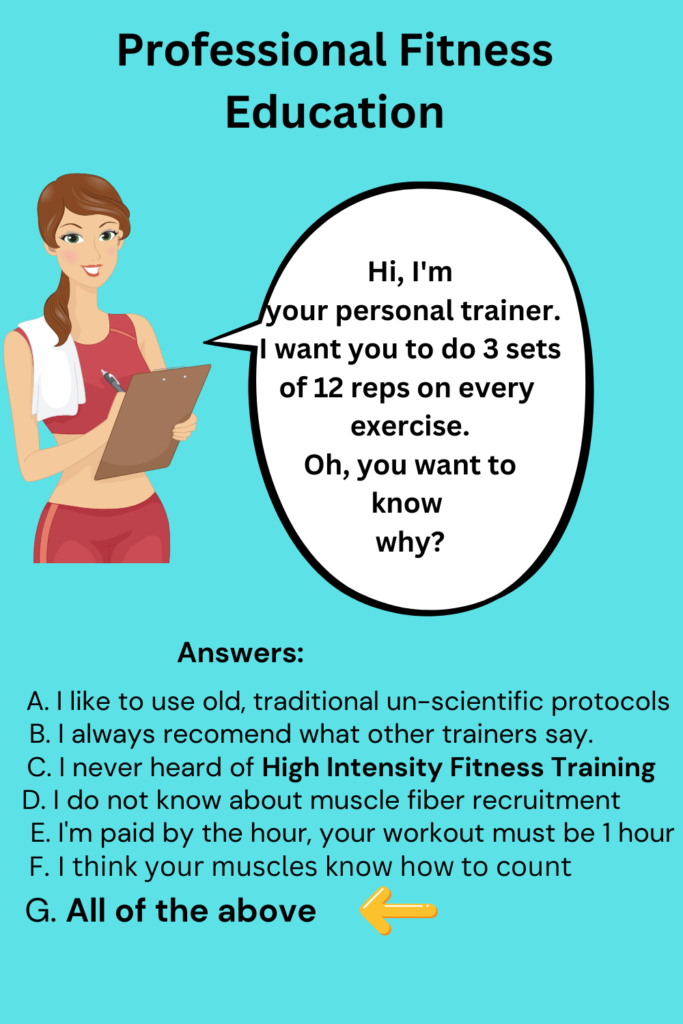
Professional Fitness Education

For example, imagine lifting a 50-pound weight. When you move it slowly and under control, the force required to move the resistance is relatively consistent. If you suddenly jerk the weight, however, acceleration can dramatically increase the forces involved.

This is one reason controlled movement is an important part of effective resistance training.

Using momentum can make an exercise appear easier because the momentum of the weight helps carry it through portions of the range of motion. At the same time, the muscles may not be maintaining the desired level of tension throughout the movement.

A slow, controlled repetition minimizes momentum and keeps the muscles actively involved throughout the exercise.

A Simple Demonstration of Momentum and Force

You can demonstrate this principle with a bathroom scale and a light dumbbell.

Suppose you weigh 150 pounds and are holding a 10-pound dumbbell while standing still on a scale. The scale should read approximately 160 pounds.

Now imagine rapidly moving the dumbbell upward with a fast curling motion or overhead press. Watch the scale.

The reading can briefly increase above your combined body weight and the weight of the dumbbell because acceleration creates additional force. The reading can then change again as momentum carries the weight through part of the movement.

Now repeat the experiment while moving the dumbbell slowly and deliberately. The scale reading should remain much closer to the expected combined weight.

The demonstration illustrates an important training principle: using momentum changes the forces involved in an exercise and can reduce the amount of muscular tension required during portions of the movement.

Slow, controlled movement eliminates much of that momentum and helps maintain consistent muscular tension throughout the range of motion.

This is one reason proper exercise technique is so important when training with high intensity. The goal is not simply to move the weight from point A to point B. The goal is to make the target muscles do the work.

Putting It All Together

Once you understand momentary muscle failure, exercise intensity, and proper movement technique, you have the foundation for more productive High Intensity Training workouts.

The objective isn’t to perform as many exercises as possible or spend endless hours in the gym. Instead, the goal is to perform carefully selected exercises with sufficient effort and controlled technique to provide an effective training stimulus.

When combined with appropriate recovery and nutrition, resistance training can provide a wide range of potential benefits, including:

  • Increased muscular strength and muscle growth
  • Improved metabolic health and energy expenditure
  • Better management of body fat
  • Improved physical function and mobility
  • Greater cardiovascular and cardiorespiratory fitness when combined with appropriate aerobic activity
  • Better blood-glucose management and reduced risk of metabolic disease
  • Improved confidence and self-esteem
  • Support for cognitive and brain health
  • Improved bone health and reduced risk associated with declining bone density
  • Greater physical independence and quality of life
  • Support for overall mental well-being

Understanding muscle failure doesn’t mean every exercise or every workout needs to be pushed to the absolute limit. It means understanding why intensity matters, what true muscular failure actually feels like, and how to approach it with control and good technique.

When you learn to distinguish between productive muscular fatigue and potentially harmful pain—and combine high effort with proper form and adequate recovery—you can make each working set far more purposeful.

That is the foundation of effective High Intensity Training, training to full muscle fatigue in strict, proper form.


The fitness information is provided for general informational and educational purposes only and is not a substitute for professional advice. Accordingly, before taking any actions based upon such information, we encourage you to consult with the appropriate professionals. We do not provide any kind of fitness advice. THE USE OR RELIANCE OF ANY INFORMATION CONTAINED ON THE SITE OR OUR MOBILE APPLICATION IS SOLELY AT YOUR OWN RISK.

________________________________________________________________________

This site may contain links to affiliate websites. We may receive an affiliate commission for purchases made by you on the affiliate sites using such links. This in no way affects the amount a consumer may pay for such a product or service.

Muscle Failure: Is Training to Failure Really Necessary to Build Muscle? Read More »

high intensity fitness strength training

Why High-Intensity Strength Training Is Ideal for Women Over 40

High-Intensity Strength Training for Women Over 40: Stronger, Leaner, and Healthier

As a women move beyond the age of 40, your body begins to change in noticeable ways. Hormonal shifts, a gradual decline in muscle mass, reduced bone density, and a slower metabolism can make it more challenging to stay strong, lean, and energized. While many women turn to longer workouts or excessive cardio to compensate, research consistently shows that high-intensity strength training may be one of the most effective and efficient approaches for long-term health and fitness.

High-intensity strength training focuses on performing resistance exercises with a level of effort that deeply challenges the muscles, often in shorter, well-structured workouts. For women over 40, this style of training offers unique and powerful benefits that go far beyond aesthetics.

Preserving and Building Muscle After 40

One of the most significant age-related changes is sarcopenia, the gradual loss of muscle mass that begins as early as the 30s and accelerates with age. Muscle tissue is essential not only for strength and mobility but also for metabolic health, joint stability, and overall independence.

High-intensity strength training recruits a high percentage of muscle fibers, including fast-twitch fibers that are most prone to age-related decline. By training with sufficient resistance and effort, women over 40 can preserve existing muscle and stimulate new muscle growth, helping maintain strength, balance, and functional capacity for daily life.

Increasing Bone Density and Reducing Fracture Risk

Bone health becomes a critical concern for women after 40, particularly as estrogen levels decline during perimenopause and menopause. Reduced bone mineral density increases the risk of osteoporosis and fractures.

High-intensity strength training places controlled mechanical stress on bones through muscle contractions and load-bearing movements. This stress signals the body to reinforce bone structure, leading to improved or maintained bone density over time. Exercises such as squats or leg press, overhead presses, rows, and deadlift variations are especially effective for strengthening the spine, hips, and wrists—areas most vulnerable to fractures.

Improving Metabolic Rate and Energy Expenditure

Many women notice that maintaining body weight becomes more difficult with age. A key reason is a declining resting metabolic rate, largely driven by muscle loss. Muscle tissue is metabolically active, meaning it burns calories even at rest.

By building and maintaining lean muscle, high-intensity strength training helps raise or preserve metabolic rate, allowing the body to burn more calories throughout the day. Additionally, intense resistance training creates a phenomenon known as excess post-exercise oxygen consumption (EPOC), where calorie expenditure remains elevated after the workout has ended.

Supporting Fat Loss Without Excessive Cardio

High-intensity strength training can be a powerful tool for reducing body fat, particularly when combined with proper nutrition. Unlike long-duration cardio, which can sometimes contribute to muscle loss if overused, resistance training prioritizes muscle preservation while encouraging fat loss.

As muscle mass increases and metabolism improves, the body becomes more efficient at utilizing stored fat for energy. Many women find that their body composition improves—less body fat, more muscle tone—even if the scale does not change dramatically.

Enhancing Hormonal and Metabolic Health

Strength training has positive effects on insulin sensitivity, glucose regulation, and overall metabolic health. For women over 40, this is especially important, as the risk of insulin resistance and metabolic disorders increases with age.

High-intensity training also supports the release of beneficial muscle-derived compounds called myokines, which help reduce inflammation, improve fat metabolism, and protect against chronic disease. These systemic benefits make strength training a cornerstone of healthy aging.

Time-Efficient and Sustainable

One of the most appealing benefits of high-intensity strength training is efficiency. Workouts are typically shorter but highly effective, making them easier to sustain long-term. For busy women balancing careers, families, and personal commitments, this approach delivers maximum results without hours in the gym.

Building Confidence and Resilience

Beyond the physical benefits, high-intensity strength training builds mental toughness and confidence. As women grow stronger, they often experience a renewed sense of capability and control over their bodies—an empowering outcome that carries into all areas of life.

Final Thoughts

For women over 40, high-intensity strength training is not about pushing to exhaustion or chasing unrealistic goals. It is about training intelligently, challenging the body safely, and reaping long-term benefits that support strength, bone health, metabolism, and fat loss.

When performed with proper form, appropriate recovery, and progressive resistance, high-intensity strength training offers one of the most effective paths to staying strong, lean, and healthy for decades to come.

Why High-Intensity Strength Training Is Ideal for Women Over 40 Read More »

high intensity fitness strength training

The Legacy of Jack Lalanne

The Inspiring Life of Jack LaLanne

Jack LaLanne was a fitness icon and a true pioneer of the modern fitness movement. He was a sports and fitness trainer, accomplished bodybuilder, TV personality as well as a business entrepreneur. He was a strong advocate of health and fitness and his message of physical activity and healthy nutrition was far ahead of its time. As a young boy one of my earliest memories is of his unique and energy filled TV show. He is partly responsible for my life long interest and devotion to physical fitness. I really wanted to take a look at the inspiring life of Jack LaLanne.  Lalanne’s story includes his pioneering work in the fitness industry and his lasting legacy.

Early Life and Family Background

Jack LaLanne was born in 1914 in San Francisco, California, the son of French immigrants. He grew up in a family that did not prioritize physical activity or nutrition. In fact, his mother cooked with lard and he ate ice cream and candy every day as a child. As he got older, he became overweight and suffered from a variety of health problems. He was unhappy with his physical appearance and health and decided to make a change.

At the age of 15, he discovered physical fitness and nutrition. He read books on nutrition and exercise and began to make changes to his lifestyle.  Young Jack was inspired by the works of Bernarr Macfadden, a leading advocate of physical culture. He started exercising and eating healthy, and in just a few years, he had completely transformed his health and physique.

A book that inpired young Jack Lalanne
A book that inspired young Jack Lalanne

LaLanne was an ambitious and determined young man. He was determined to make a name for himself in the world of fitness and exercise. He attended the University of California at Berkeley and graduated with a degree in physical education. After graduation, he moved to Los Angeles and opened his first gym. He quickly gained a reputation as a skilled and knowledgeable fitness instructor. He also became a popular figure in the fitness world and was invited to speak at conferences and events all over the country.

Jack LaLanne went on to become one of the most influential figures in the history of fitness. He was a fitness instructor, a businessman, a personal trainer, and an advocate for health and fitness.

Jack Lalanne -Pioneering Work in the Fitness Industry

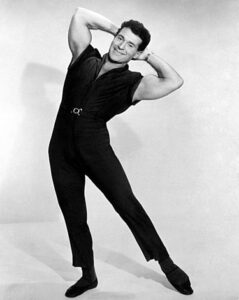
Jack Lalanne 1961
Jack Lananne 1961

As part of his mission to promote exercise and healthy eating, Lalanne wrote many books on fitness and nutrition and developed his own line of exercise equipment. He was one of the first to introduce weightlifting machines and fitness equipment to the masses.  He is probably best known for his long running TV show, believed to be the very first television exercise program.

Fitness Innovations

What is less commonly known is that Lalanne invented and designed many of the strength training machines people still use today. These include the weight selector (weight stack with plates) and the common quadriceps Leg Extension machine. He also conceived the concepts for the squat machine, now known as the “smith machine.” The common calisthenic exercise “Jumping Jacks” were invented by Lalanne as an overall body warm up exercise.

LaLanne was also a successful businessman. He opened a number of gyms and fitness centers throughout the United States. Lalanne was one of the first to introduce exercise videos and home fitness programs and marketed his own brand of vegetable juicer.

Lalanne hosted the exercise and fitness TV show The Jack LaLanne Show from 1951 to 1985. During the 1950s TV exercise show was aimed largely at women, whom he also encouraged not only to exercise but to consider joining local health clubs, which was not at all common at the time. During the show he would often use household objects, such as a broom or books, to be used as exercise equipment. In addition, he coached senior citizens and the disabled to engage in exercise, believing it would enable them to improve their health and strength.

Then Legacy of Jack LaLanne, available on Amazon

Lalanne was inspirational, high energy and very charismatic. During his show he would often use his white German shepherd dog, Happy, as part of the show. The dog’s tricks could attract children to the program, so that LaLanne was reported to say to the children: “You go get Mother or Daddy, Grandmother, Grandfather, whoever is in the house. You go get them, and you make sure they exercise with me.”

Jack Lalanne’s Incredible Feats

As advocate of proving that just about anything is possible, Jack LaLanne often performed amazing feats of super human strength and endurance through his life. Many of these include some unbelievable and unique swimming accomplishments. He continued to do so well into his 80s. Here are just a few of these incredible feats –

1954 Age 40: Swam the length of the San Francisco Golden Gate Bridge underwater with 140 pounds of equipment, including two air tanks… an undisputed world record.

1955 Age 41: Swam, handcuffed, from Alcatraz to Fisherman’s Wharf in San Francisco, CA.

1956 Age 42: Set a world record of 1,033 pushups in 23 minutes on “You Asked for It, a TV Show with Art Baker.

1957 Age 43: Swam the treacherous Golden Gate Channel, towing a 2,500-pound cabin cruiser. This involved fighting the cold, swift ocean currents that made the 1 mile swim a 6 ½ mile test of strength and endurance.

1959 Age 45: Completed 1,000 pushups and 1,000 chin-ups in 1 hours and 22

minutes. “Happy” is born and The Jack LaLanne Show goes nationwide

1974 Age 60: Swam from Alcatraz Island to Fisherman’s Wharf, for a second time handcuffed, shackled and towing a 1,000-pound boat.

1975 Age 61: Swam the length of the Golden Gate Bridge, underwater, for a second time handcuffed, shackled and towing a 1,000-pound boat.

1976 Age 62: Commemorating the “Spirit of ‘76”, swam 1 mile in Long Beach Harbor, handcuffed, shackled and towing 13 boats (representing the 13 original colonies) containing 76 people.

List courtesy of https://jacklalanne.com/

You get the idea here. He was a Superman who regularly performed super human feats!

Jack Lalanne – His Enduring Legacy

Jack LaLanne’s legacy lives on today. Among the many honors and recognitions he is a member of the California Hall of Fame and is honored with a star on the Hollywood Walk of Fame. He was indeed a pioneer in the fitness industry, a role model and a true icon of health and fitness.  He was known nationwide as was an advocate for healthy living and physical activity. His message of exercise and healthy nutrition was seen to be far ahead of its time. He inspired and motivated many people to adopt regular exercise and proper nutrition. His legacy will continue to inspire generations to come. If you want to learn more about the inspiring life of Jack LaLanne, be sure to check out the book Pride & Discipline: The Legacy of Jack LaLanne

Jack Lalanne_____________________________________________________________________

The fitness information is provided for general informational and educational purposes only and is not a substitute for professional advice. Accordingly, before taking any actions based upon such information, we encourage you to consult with the appropriate professionals. We do not provide any kind of fitness advice. THE USE OR RELIANCE OF ANY INFORMATION CONTAINED ON THE SITE OR OUR MOBILE APPLICATION IS SOLELY AT YOUR OWN RISK.

________________________________________________________________________

This site may contain links to affiliate websites. We may receive an affiliate commission for purchases made by you on the affiliate sites using such links. This in no way effects the amount a consumer may pay for such a product or service.

The Legacy of Jack Lalanne Read More »

high intensity fitness strength training

What is Proper Exercise Form and why does it matter?

Proper Exercise Form

It is often stated that a person should do their weight training exercise in “good form”. That is certainly true if you are looking for an effective and safe workout. But what exactly does this “good form” really mean? Unfortunately, many people do not understand the form or technique you should use when properly performing strength training exercises. This is easily seen at most gyms where people are weight training, as so many folks fail to focus on proper technique at all. The reason you want to use proper exercise form is simple. It makes the exercise more effective and safer.

When you conduct a strength training exercise using barbells, dumbbells, weight training machines, or a body weight exercise, the speed of movement is perhaps the most important technique factor. As a rule, you should move in a slow and controlled manner with no use of momentum to lift the resistance and no dropping of the weight. Faster movement decreases the tension on the working muscles through most of the range of motion. This is a physical fact dictated by the Laws of Physics.

Speed of Motion

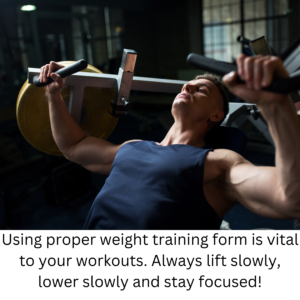
So if going slowly is important, then how slow should you move? Well, once upon a time it was generally suggested to use 2 seconds to lift and 4 seconds to lower. This obviously leads to 6 seconds for one repetition to be completed. As a general rule, this is fine and will work well. It is slower and more difficult than what many people do when training.  A visit to your local gym will probably show you that most people go relatively fast. It is not uncommon to see a person complete a set of ten reps in about 10 to 15 seconds. This is far too fast for effective training. It does not work the various types of muscle fibers, and it can potentially be dangerous, leading to joint or muscle injuries.proper weight training form

Why does this occur? Probably in is a combination of two factors. One is that most people are ignorant of the fact that moving faster is less effective. Another factor is that the human body usually attempts to make a physical task easier to perform. In the case of weight training, this can be accomplished by accelerating the speed of movement.  This will happen unless a person knows that they need to discipline themselves to move slower and work their muscles harder. That is actually one of the main points of High Intensity Training: to make your muscles work harder than they are used to.

So is this 2-second lift and a 4-second lowering the best way to proceed? Well, actually no, it is probably not. While it is fine and will improve most people’s workouts, going even slower will have more benefit. For example, taking a full 4 seconds to lift with 4 seconds to lower will increase the time under tension for each rep, going from 6 seconds to 8 seconds. It will also decrease the momentum used on the concentric (lifting) phase of the movement. Decreasing the speed even further will continue to increase the difficulty of the exercise. My personal recommendation is to use 5 seconds on the lifting with 5 seconds to lower back down.

Super Slow Training

In the early 1980s, Ken Hutchins developed the Super Slow training method. This was originally used to assist senior citizens and people with osteoporosis because of the safety factor of decreasing force on bone and tissue. While decreasing the unwanted forces you are also increasing the tension on the muscles.  The protocol used is usually to take 10 seconds to lift and 10 seconds to lower. Training is this manner requires a lot of discipline to maintain the proper slow speed. It is just play very hard to train using Super Slow Training. In addition, the weight used will usually be significantly lower than a person may have used when performing faster reps. This is a sign that you are making the exercise harder, which is good. Many people are too concerned with “ego training” and demonstrating their strength rather than performing an exercise in the most effective manner. The basic point of this discussion about speed of motion is simply to stress the importance of eliminating momentum. To train in the most effective, efficient, and safest manner, you want to move in a slow and controlled manner.

Problems with Some Training Methods

One of the problems in fitness is that various aspects of exercise do not apply this principle for various reasons. Activities such as powerlifting, competitive weight lifting, and CrossFit training use faster movements to achieve specific performance goals. This is fine for training for these types of sports and activities. But it should be understood that training for these types of sports, or any sport, is something different than exercising for general physical fitness and health benefits. You should understand this if you decide to exercise using CrossFit or Powerlifting methods that these methods do increase the risk of injury.

Most Power Lifters and CrossFitters are not training for physical fitness in the safest and most effective manner; they are actually training for athletic performance improvement in their chosen activity. In general, it is recommended that a serious athlete follow a High Intensity Training program along with their sport’s skill-specific training to enhance their athletic capabilities. Many athletes make the mistake of performing exercises they believe are good strength exercises combined with skill movements. This is a mistake because the body’s neurological activity used in a given motor skill is specific to that specific given task.

Stronger muscles will allow for better performance of a specific skill. That muscle strengthening should be accomplished by using a proper training program. Trying to perform a sport movement with added resistance will not improve one’s ability to perform the actual sport skill. Simply put, you do not want to try to imitate an athletic movement with weights and think it is a sensible exercise. Imagine if a golfer regularly trained with clubs that weighed twice as much as regulation golf clubs. Or perhaps a baseball pitcher practicing with a baseball that weighs far more than an actual baseball. Do you think either of these approaches would work as good sports training?

Proper Exercise Form and Range of Motion

Another important aspect to performing a strength training exercise in good form is to work the target muscles through a full range of motion. Whether the exercise is a compound (multiple joint) movement or a single joint motion (such as a barbell curl), the exercise should generally be a full range movement. The exercise will be a movement from an extended or stretched position, and then you move from there to a fully contracted position.

For a simple example lets look at a chin-up or pull-up exercise. You can start from a full hanging position, begin by slowly pulling up until your pulling muscles are fully contracted. This position will be where your chin is slightly above the chin-up bar. Now, since the pulling muscles, in this case it is primarily the latissimus and bicepChin up exercise muscles, you will want to hold that position. Do not just start back down. Hold for a full second or two with your chin above the bar. Holding for even longer will be even harder! Now, after holding in this contracted position, slowly lower yourself back down. When you get to the bottom position, do not go back into a full hang. A full hang would result in a brief rest. You want to slowly start pulling back up when you are almost in the full hanging position.

Remember this is just one example of exercising the muscles through a full range of motion. As pointed out, you want to avoid a full hang position on this type of exercise. Similar to this, you also want to avoid a “lockout” position on certain exercises. Moving into the locked-out position will allow the bone structure to support the weight, which will result in a brief muscle rest. It also puts stress on the joint, which increases the potential for a hyperextension injury.

push upHere is an example of an exercise in which you want to avoid locking out. Assume you are doing a push-up. Start in the top push-up position and slowly lower your body all the way down, but do not rest your torso on the floor. When you reach the bottom, do not rest on the floor but begin to slowly push back up to the top. Stop just short of locking out your arms at the top. This keeps tension on the working muscles.  You want to avoid locking out when performing pushing-type exercises such as any chest press, shoulder press, squat or leg press.


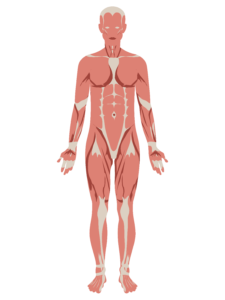
Proper Exercise Form and Body Stability

Along with using a slow and controlled speed of motion and working the target muscle through its full range of motion, there are a few other factors that should be considered. When strength training, you want to put full mental focus on the movement being done by the working muscles. If you watch people weight training, you will commonly see them tensing their face muscles, holding their breath, and moving non-involved body parts. Perhaps this happens because when the body is attempting to complete a difficult task, it will try to incorporate additional muscles to assist.

However, to properly work the targeted muscles, you want to have the targeted muscles working with full intensity, and you do not want to involve other extraneous muscles. If you begin to tense your face and neck muscles, which may happen as you approach momentary muscle failure, it will actually take away from the body’s ability to use the correct muscles. It can also lead to holding your breath. Obviously, holding your breath is to be avoided.

Traditionally, it has been recommended to exhale as you lift the resistance and to exhale as you lower back down. This is a fine approach to breathing. The important thing to do is to keep your breathing relaxed and as deep as your body requires so you do not hold your breath. The exact in-and-out, up-and-down timing may not be as important as remembering to breathe fully as you go. Your body requires this influx of oxygen while exercising.

Other examples of using extra muscles that should not be involved would be arching your back as you do a barbell curl or bending your legs while doing an overhead dumbbell press. You obviously do not want your legs trying to assist you while performing an upper body exercise.

Some people mistakenly think that working on “stability and balance” should be part of proper exercise form while weight training. It is not uncommon for a person to be sitting on a large rubber exercise stability ball (a Swiss ball) while trying to lift dumbbells or train with weights while balancing on one leg. They mistakenly think that this balance factor helps to improve the exercise. In actuality, it detracts from it somewhat. You need to activate additional muscles and nerves to maintain that balance instead of putting full focus on contracting the targeted muscles you want to work to the point of muscle failure.

Proper exercise form means to keep your body in a stable position throughout the exercise. On an upper body exercise machine, that generally means to keep your feet flat on the floor and your back straight. Do not do any twisting or turning. In general, dumbbell exercises should be done sitting down if it is possible for that particular exercise. In addition, bilateral exercises (two sides at once) are preferred over unilateral exercises (one side at a time). An example here would be triceps pushdowns, usually done on a cable machine. Doing one are at a time may result in twisting the torso during the movement. Using both arms at once will help to keep you in a straight and stable, non-twisting position. It also takes half the time, obviously.

Proper Exercise Form and Eccentric focus

Many exercise research studies have indicated the importance of the eccentric or the lowering phase of a strength training exercise. This is also referred to as the negative portion of the movement. This lowering of the weight phase is sometimes completely neglected by people as they weight train.

To get maximum benefit from your training, you want to be sure you are incorporating eccentric muscle contraction into each exercise. As far back as the early 1970s, Arthur Jones at the Nautilus Sports Medical Industries in DeLand Florida, conducted a “negative only” training program to research this highly effective method of training. In that particular study, the subjects were mostly professional athletes and bodybuilders. These individuals, who were already above average in muscle strength, achieved dramatic strength increases in just a few weeks. Since then, many other research studies have shown how important the eccentric portion of an exercise can be.

So how does the average person benefit from this knowledge? Simple, just lower the weight slowly after the lifting phase.  As mentioned above, strength training movements are very effective and safe when excess speed and momentum are eliminated. For example, you can take 5 seconds to lift the weight up and then take a full 10 seconds to lower it back down. This will provide extended tension on the working muscles. Do not drop the weight back down! That is a common mistake. After you reach concentric (positive) muscle failure, the point at which you can’t continue to lift upward, then lower the weight back down very slowly. At this point your set will be completed, and you muscles will be fully fatigued. Now you will be ready for full recovery from your high intensity effort.

It is easier said than done but by concentrating on the following points you will find yourself using good form and getting better (and safer) workouts.

    1. Perform a slow and controlled lifting motion
    2. Move thru the full range of motion
    3. Keep your muscles tensed as you lower the resistance down slowly
    4. Keep your breathing relaxed and only tense the working muscles as you work to momentary muscle failure

Below is fitness expert Molly Galbraith demonstrating a negative only chin-up.

_________________________________________________________________________________

About the Author
David Waters is a fitness professional with more than 40 years of experience in the fitness field. He holds a Bachelor of Science degree in Physical Education from the University of Massachusetts Amherst and has worked as a personal trainer, fitness director, fitness facility manager, competitive athlete, author, and fitness educator.
He is the author of The Science and Practice of High Intensity Training and The Fitness Center Handbook.

Fitness Information Disclaimer

The information provided on SuperFitnessForever.com is intended for general educational and informational purposes only. It is not intended to diagnose, treat, or prevent any medical condition, nor does it constitute medical or professional advice.
The information on this website does not prescribe an exercise program for any individual. Exercise involves inherent risks, and results can vary from person to person. SuperFitnessForever.com and David Waters are not responsible for any injury, loss, or damage that may result from the use of information provided on this website or participation in any exercise program.
Consult your physician or other qualified healthcare professional before beginning a new exercise program, particularly if you have a medical condition, injury, or concerns about your ability to exercise safely.

Affiliate Disclosure: Some links on this website are affiliate links. This means I may earn a small commission if you purchase a product through one of these links, at no additional cost to you. I only recommend products, books, and services that I believe may be useful to my readers. Thank you for supporting my website.


What is Proper Exercise Form and why does it matter? Read More »

high intensity fitness strength training

HIIT Training ~ High Intensity Interval Training

High Intensity Interval Training, commonly known as HIIT, is a workout style that has taken the fitness world by storm in recent years. It is a type of cardio workout that involves short, intense bursts of exercise followed by periods of rest or active recovery. There is often some confusion between High Intensity Training (HIT), the resistance exercise protocol generally performed with free weights or weight training machines, and High Intensity Interval Training (HIIT), the cardiorespiratory training system. Do not confuse the names or methods, but be aware that both forms of training have a lot of scientific research behind them and both can be very valuable to improving your fitness level. Both methods are relatively time-efficient as well.

High Intensity Interval Training can be performed with a variety of exercises, including running, cycling, rowing, swimming, and bodyweight movements, as well as various other types of exercise equipment. Many indoor exercise machines found in most commercial gyms can be utilized for HIIT Training. These could be stationary bikes, treadmills, stair climbers, rowing machines, elliptical trainers, etc. This type of equipment will have timers and intensity controls that can be effectively used when performing HIIT workouts.

The general term “interval training” originally comes from the world of track and field. The Swedish track team started using “fartlek training” (meaning speed play) back in the late 1930s. This involved track athletes running much harder and faster than normal for relatively short bursts during their training runs. In recent years various methods of very effective interval training have been scientifically research and developed.

One of the primary benefits of HIIT is its ability to maximize fitness in a short amount of time. Research has shown that HIIT can improve cardiovascular health, increase muscular strength, improve respiratory function, control blood pressure, improve blood flow, and promote fat loss. However, to achieve these benefits, it is important to use the right protocols and follow a well-designed workout plan.

In this article, we will explore just a few of the most effective HIIT protocols for maximizing fitness and discuss how to incorporate them into your workout routine.

The Tabata Protocol

Dr. Izumi Tabata, a Japanese scientist, developed The Tabata Training System in 1996. This form of high-intensity interval training was originally created with the aim of improving the Japanese Olympic Speed Skating team’s performance.

The Tabata protocol is one of the most well-known and effective HIIT protocols. It involves performing an exercise at maximum intensity for 20 seconds, followed by 10 seconds of rest, for a total of 8 rounds. The entire workout takes just 4 minutes, but it is extremely intense. While the Tabata protocol can be used with any exercise, but it is often used with bodyweight movements such as burpees, push-ups, and squats. It can also be used with other cardio exercises such as sprints or rowing.

To perform a Tabata workout, choose an exercise and perform it at maximum intensity for 20 seconds, then rest for 10 seconds. Repeat this cycle for a total of 8 rounds. If you are new to HIIT, start with just one Tabata round and gradually increase the number of rounds as you become more comfortable with the protocol.

Zuniga Protocol

The Zuniga Protocol was developed by Jorge Zuniga, an exercise scientist at Creighton University In Nebraska. The goal was to develop a protocol to maximize oxygen consumption and work volume in the shortest possible time. After experimentation, it was determined that a highly effective approach was to engage in 30-second intervals of activity at 90 percent power output, followed by 30-second rest periods.

Protocol Ratio: 30-20-10

The 30-20-10 protocol is another effective HIIT protocol that is slightly less intense than the Tabata protocol. It involves performing an exercise at maximum intensity for 30 seconds, followed by 20 seconds of moderate intensity, and 10 seconds of rest, for a total of one minute. The entire workout can be repeated for 4-6 rounds.

The 30-20-10 protocol is ideal for those who are new to HIIT or who are looking for a slightly less intense workout. It can be used with any of the various methods of exercise as mentioned above.

On to One Work-to-Rest Ratio

The 1:1 work-to-rest ratio involves working at high intensity for a specific period of time, followed by an equal period of rest. For example, you might do 30 seconds of high-intensity exercise followed by 30 seconds of rest, repeated for 10-15 minutes. This ratio of 1 to 1 is occasionally referred to EMOM (every minute on the minute) when the time period is for one minute. This protocol can be used with a variety of exercises, including bodyweight exercises like push-ups and squats, as well as cardio exercises like running, cycling, and rowing. The 1:1 work-to-rest ratio is a great way to build cardiovascular endurance and improve muscular stamina and endurance.

Benefits of High Intensity Interval Training

  • Increases Cardiovascular Endurance: HIIT workouts push your cardiovascular system to its limits, leading to an increase in overall endurance. This means that you will be able to work out harder and longer during future workouts.
  • Burns More Calories: HIIT workouts can burn more calories than traditional steady-state cardio because they require more energy to perform. Additionally, HIIT workouts have been shown to increase metabolism, allowing you to continue burning calories long after your workout is over.
  • Builds Lean Muscle: HIIT workouts use both cardiovascular and strength exercises. While HIIT is NOT the most effective way to build strength and lean muscle mass, your muscles can certainly benefit due to the intensity of the exercise.
  • Can Be Done Anywhere: HIIT workouts can be done at home, in a gym, or even outside. These workouts are time efficient and can be a convenient option for those with busy schedules.

HIIT vs Traditional Steady State Cardio Training

Many fitness enthusiasts have long adhered to the traditional moderate pace steady state extended training, generally termed Aerobic or Cardio Training. Examples of this might include jogging 3 to 5 miles, bike riding for one hour or more, or 30 minutes of fast walking on a treadmill. Over the last few decades, exercise science researchers have regularly found that various High Intensity Interval Training protocols can provide equal or better results in less time.

Compared to continuous moderate exercise (CME), HIIT has been found to be more effective in reducing subcutaneous fat, particularly abdominal fat, as well as total body mass. It also enhances VO2 max ( maximum oxygen usage) and insulin sensitivity. HIIT burns more calories and increases post-exercise fat oxidation and energy expenditure more than steady-state exercise.

Additionally, HIIT has been shown to decrease total cholesterol and LDL-cholesterol while increasing HDL-cholesterol and VO2 max more than CME. Studies have demonstrated a significant increase in fat loss after HIIT, while some studies show no significant change in fat loss was observed in CME patients versus inactive subjects.

Moreover, higher exercise energy expenditure (such as with HIIT) as measured by metabolic equivalents (METs) has been linked to a reduced risk of cardiovascular events in both males and females, and reduced all-cause mortality. The benefits of vigorous intensity exercise surpass those of moderate-intensity exercise, even when the latter is performed for a longer duration to equalize the total work performed.

Getting Started with High Intensity Interval Training

Before beginning any new exercise program, it is important to speak with a healthcare professional to ensure that you are healthy enough to exercise. Once you have received clearance, there are a few steps you can take to get started with HIIT:

  1. Choose your exercise: Choose an exercise that you enjoy and that is suitable for your fitness level. This could be running, cycling, swimming, or bodyweight exercises.
  2. Determine your intervals: HIIT workouts typically involve short bursts of high-intensity exercise followed by periods of active recovery or complete rest. For example, you might do 30 seconds of sprints followed by 30 seconds of walking, repeated for 10-15 minutes.
  3. Warm-up and cool-down: It is important to warm up before any exercise, but especially before HIIT workouts. This can include light cardio and dynamic stretching. Similarly, a cool-down period at the end of your workout can help prevent injury and reduce muscle soreness.
  4. Start slowly: If you are new to HIIT, start slowly and gradually increase the intensity and duration of your workouts. This will help prevent injury and ensure that you are making progress.

HIIT protocols can be tailored to meet a wide range of fitness goals and can be used with a variety of exercises.

In conclusion, High Intensity Interval Training (HIIT) is a highly effective way to improve cardiovascular endurance, burn calories, build lean muscle mass, and improve overall fitness. It’s important to choose a protocol that works for your fitness level and to gradually increase the intensity and duration of your workouts over time. With the right guidance and a commitment to consistency, HIIT can help you achieve your fitness goals and improve your health.


 About the Author
David Waters is a fitness professional with more than 40 years of experience in the fitness field. He holds a Bachelor of Science degree in Physical Education from the University of Massachusetts Amherst and has worked as a personal trainer, fitness director, fitness facility manager, competitive athlete, author, and fitness educator.
He is the author of The Science and Practice of High Intensity Training, available from SuperFitnessForever.com.

Fitness Information Disclaimer: The information provided on SuperFitnessForever.com is intended for general educational and informational purposes only. It is not intended to diagnose, treat, or prevent any medical condition, nor does it constitute medical or professional advice.
The information on this website does not prescribe an exercise program for any individual. Exercise involves inherent risks, and results can vary from person to person. SuperFitnessForever.com and David Waters are not responsible for any injury, loss, or damage that may result from the use of information provided on this website or participation in any exercise program.
Consult your physician or other qualified healthcare professional before beginning a new exercise program, particularly if you have a medical condition, injury, or concerns about your ability to exercise safely.

Affiliate Disclosure: Some links on this website are affiliate links. This means I may earn a small commission if you purchase a product through one of these links, at no additional cost to you. I only recommend products, books, and services that I believe may be useful to my readers. Thank you for supporting my website.


HIIT Training ~ High Intensity Interval Training Read More »

high intensity fitness strength training

The 3 Most Important Tips for Your Weight Training!

The 3 Most Important Tips to Improve Your Weight Training!

Many people do their weight training regularly, but how many of them work out in a highly effective and scientifically sound manner?   From my extensive experience and observation, I would say that the percentage of folks who train really well is actually very low. The good news is that this can easily be corrected. Here are 3 important tips to significantly improve your weight training. The important tips explained below will teach you three ways to improve your workouts when implemented properly greatly.

Exercise in Proper Form

Most people have probably heard that they should use “proper exercise form” when exercising. But what exactly does this mean? Well, it is relatively easy to explain but not always easy to do.weight training proper form

Most resistance exercises are done with weight machines, barbells, dumbbells, or bodyweight exercises. Whatever type of equipment is used, it is very important to eliminate the use of momentum to help move the weight. Momentum is your enemy! Many people move the resistance too fast and generate momentum that helps to move the weight. By performing your movements relatively slowly, you can significantly reduce the use of momentum.  This will force your muscles to work harder, create more muscle tension as well as reduce the risk of injury at the same time.

Here is an obvious example. Take four full seconds to smoothly lift a weight and then take four seconds to lower it back down. That one repetition will be harder to perform than the faster, momentum-assisted reps most people do. This is a lot easier said than done. You need to discipline yourself to focus on doing the movement correctly, not just completing the rep. Your body has a tendency to try to make a physical ask easier. In the case of a strength training exercise, you actually want to make the task harder on your working muscles!

A common mistake is that many people are too concerned with the number of reps you can do. Your muscles cannot count so it is not a number that is important, but rather how hard you are making your muscles work. You should be attempting to perform as many strict, proper form reps as you can without sacrificing correct technique just for the sake of completing additional reps.

It is also very common that a person’s mental approach will be overly focused on how much weight they can train with. This is a mistake because it makes people workout with an amount to weight that is too heavy for them to use in good form. Is is very common that when a person begins to focus on improving their technique that actually need to reduce their training weight. This is actually a good thing because it means you are making the exercise harder for your muscles to perform!

Training to Muscle Failure

Perhaps the most frequently asked question when it comes to strength training “How many reps should I do?” Well, the best and simplest answer is this: perform as many reps as you can in good form. The idea is to use all the available muscle fibers for that specific exercise. This will stimulate the body to recruit additional muscle fibers that can be utilized in the future. This is the process of developing muscle strength.Train to failure

This process of “working to failure” is quite difficult to do properly, as you will want to stop the exercise too soon. It takes focus and discipline to keep pushing and really train to failure. Most people will stop when they merely think that they cannot continue. To really train to momentary muscle failure, you should always attempt another rep. The actual point of failure is when you try as hard as you can to complete a rep but you “fail.” You get stuck when you try to lift the resistance any further. At this point, you should simply lower the weight back down and congratulate yourself on a properly completed exercise!

There’s a common misunderstanding that intense strength training, especially as you near momentary muscle failure, is hazardous. However, the truth is that the initial repetitions of an exercise pose the highest risk of injury. In strength training, injuries primarily result from moving the weight too quickly, transferring the load from the muscle to the joint. Muscles are adept at handling tension and load, whereas joints are not designed for such stress. Using proper form reduces the risk of injury, and working intensely, to full muscle fatigue, is not at all likely to produce an injury.

Rest and Recovery

The third vital point about resistance exercise is to allow your body the proper rest and recovery so you can make fitness progress. Your workout is merely the stimulus for your body to change. Your muscular system needs to fully recover and then adapt to the stimulus of the intense exercise you have performed. This recovery process primarily involves allowing the proper amount of time. Other important factors include good nutrition and good sleep habits. Training too frequently and training too much can interfere with your body adapting to your training. Therefore, prioritizing a nutritious diet and healthy sleep habits is essential for those serious about their fitness journey.

It’s equally important to consider the appropriate volume of exercise to maximize the effectiveness of your workouts. A full-body workout may comprise of about 5 to 10 different exercises targeting major muscle groups in both the upper and lower body. Given the significant stress that high-intensity exercise places on the body, it’s essential to keep the total volume relatively low. Quality outweighs quantity in this case. Remember, more is NOT always better in terms of exercise volume.

When it comes to workout frequency, it’s essential to strike a balance. Working out too frequently can hinder full recovery and adaptation, leading to overtraining. Research suggests that 1 or 2 full-body workouts per week often yield the best results. Some advanced practitioners of High-Intensity Training (HIT) may even opt for just one weekly session. Additionally, spacing out workouts or occasionally missing a session doesn’t seem to have negative effects as long as the gap between sessions isn’t significant enough to result in muscle atrophy.

Always keep in mind these 3 important tips to improve your weight training so you can maximize your fitness benefits. Do your exercises correctly, always striving to use proper form as you train. Exercise with a high intensity level of effort by fully fatiguing your major muscle groups in each workout. After you have completed your hard workout, allow your body good rest, good nutrition, and adequate recovery time to fully benefit from your training!

Fitness Tips Weight Training

Arthur Jones, one of the most important and influential individuals in the history of exercise science, was the founder of both Nautilus Fitness Equipment and MedX Equipment and also performed extensive research on exercise and fitness. Below are some quotes from Jones that point out the importance of these exercise tips.

“Exercise merely stimulates muscle growth; it does not produce the growth.  Changes that result from exercise are actually produced by the body itself.  During rest.”

“Workouts are for building size and strength, not for the purpose of demonstrating strength.”

“When the intensity of an exercise is increased, the amount of exercise must be reduced.  When you train harder, you must train less.”

“It took me twenty years to learn that two sets are better than four, and twenty more years to learn that one set is better than two.”


David M. Waters is a highly experienced fitness professional with a Bachelor of Science Degree in Physical Education from the University of Massachusetts at Amherst. He has worked as a personal training instructor, fitness director, competitive athlete, author, and fitness facility manager. He has accumulated over 40 years of experience in the fitness field.  As a physical fitness educator, David has helped countless individuals achieve an active and healthy lifestyle through proper exercise and fitness training since 1980. David is the author of both The Science and Practice of High Intensity Training and The Fitness Center Handbook.

Please note that the information contained on this website is for educational purposes only. No attempt at prescribing an exercise program has been made. David Waters / Superfitnessforever.com shall not be held liable or responsible for any injury or damage resulting from any individual’s participation in any exercise program. It is recommended that individuals consult with their physician prior to undertaking any exercise program.

The 3 Most Important Tips for Your Weight Training! Read More »

high intensity fitness strength training

HIT Workouts

There are many ways to structure your high intensity workout. Depending on factors such as the available equipment, fitness goals and personal preferences, you can design a very wide variety of specific workouts. There is not just one “best” workout. Training with good form and high intensity effort are the vital elements for getting a good workout and good results. Allowing for full recovery and training consistently are important keys to getting long-range benefit from HIT workouts.

Exercise Selection and Sample High Intensity Workouts Workouts

Generally, a HIT workout will be a full-body routine that exercises the major muscle groups of the skeletal muscular system. The major muscle groups usually targeted for resistance training include –

Quadriceps (front of upper leg)

Glutes (butt and hips)

Hamstrings (back of upper leg)

Calves (lower leg)

Pectoralis (chest)

Trapezius (traps) (top of shoulders)

Latissimus dorsi (lats) – (large pulling muscle of the back)

Biceps (front of upper arms)

Triceps (back of upper arms)

Forearms (lower arm)

There is a wide variety of equipment that may be available to you if you choose to perform HIT workouts. These may be strength training machine (of which there is a very wide variety, some are excellent and some are poor) barbells, dumbbells, resistance bands and bodyweight exercises. This means you have pretty much an infinite variety of specific workouts you can perform. There are some biomechanical factors that indicate that some exercises may be superior to others. Also, some people may have physical limitations for various reasons. The important thing to keep in mind is to train all the large, main muscle groups and to apply the high-intensity training principle to your HIT workouts.

The BIG FIVE Workout

All the major muscles are important and significantly useful for many reasons. Do not think that they all need to be exercised in every single workout. In the outstanding book Body By Science, authors McGuff and Little suggest a basic workout of just five exercises that will provide an outstanding overall full-body training effect. This famous “Big Five Workout” includes –

Leg Press

Chest Press

Pulldown

Seated Row

Overhead Press

While this represents a short and simple workout, some people view The Big Five as rather basic. But as with all HIT training routines, there are three important keys. These are to always use proper form, work to muscle failure, and allow for full recovery and adaptation between workouts. Obviously, the equipment that is available to you dictates what exercises you can perform. Also, various biomechanical factors determine that some exercises are better than others. Below are just a few additional sample exercise routines for you to consider and perhaps adapt to your personal preferences.

Deep Fitness HIT Workouts

In the recent book Deep Fitness by Philip Shepherd and Andrei Yakovenko, the authors go into detail on the scientific aspects of HIT along with the physical and mental benefits of High Intensity Training.  They stress the importance of proper mental focus while training. In addition, they illustrate in detail several full-body workouts to use with high intensity training principles. Here is one listed below.

Leg Curl

Leg Extension

Leg Press

Seated Row

Shoulder Press

Pulldown

Ab Isolator

Hip Abduction

Hip Adduction

Dr. Ellington Darden  HIT Workouts

Dr. Ellington Darden, PHD, is a prolific writer and researcher on the topic of high intensity training. In one of his many outstanding books, The New High Intensity Training, he lists many workouts. Here is just one –

leg curl machine

leg extension machine

leg press machine

standing calf raise machine

bench press with barbell

bent over row with barbell

lateral raise with dumbbells

shoulder shrug with barbell

bent arm fly with dumbbells

tricep extension with dumbbell

biceps curl with barbell

trunk curl (crunches) on floor

Body building using HIT Workouts

Despite what many bodybuilders and want-to be bodybuilders may say, the method of single set HIT workouts can be very effective for participants in that sport. Traditional bodybuilding training is done with high volume, lower intensity, greater frequently and with poor form compared to scientific, safe and effective high intensity training. Going back in history a bit, individuals such as Mike Mentzer, Dave Mastorakis, Casey Viator, Boyer Coe, Dorian Yates, Sergio Oliva, Gordon LaVelle, Lee Labrada and many others have been the sports outcasts in that they trained primarily using the basic high intensity training method.

Casey Viator, the youngest ever Mr. America, is famously known for conducting this workout, under the guidance of Arthur Jones, shortly before capturing that Mr. America title. Keep in mind that Casey Viator was an exceptionally strong individual with outstanding and well above-average genetic capability to develop his muscle structure. This information is printed here with the courtesy of Matt Brzycki’s High Intensity Training Program, which can be located here https://staff.washington.edu/griffin/brzycki.html

HIGH INTENSITY TRAINING III: On June 10, 1971–two days before he won the Mr. America contest at the age of 19–Casey Viator went through this workout (Kids, don’t try this at home):

casey viator
Casey Viator – Mr. America

EXERCISE EQUIPMENT      REPS      WEIGHT (lbs.)
leg press Universal                       20             750
leg extension Universal              20              225
squat barbell                                 13              502

two minute rest

leg curl Universal                       12               175
1-leg calf raise dumbbell        3 X 15            40
pullover Nautilus                        11              400
behind-the-neck Nautilus         10             200
rowing Nautilus                          10             200
Pulldown Nautilus                     10             210

two minute rest

lateral raise dumbbell               9                40
behind-neck press barbell      10              185

two minute rest

bicep curl Nautilus                    8              110
chin bodyweight                         12           BW

two minute rest

tricep extension Nautilus          9            125
parallel bar dip bodyweight      22         BW

If the numbers don’t impress you, get this: Viator performed the leg portion of this routine in 11 minutes and the upper body part in 17 minutes and 40 seconds! It should also be noted that the Nautilus equipment manufactured 20 years ago wasn’t generally anywhere near as frictionless as that of today. Because when you lift a weight on a machine you are lifting the weight plus any mechanical friction, 400 pounds on a 1970 Nautilus pullover would’ve felt much heavier than 400 pounds on a 1994 friction-reduced model.

HIT workouts


David M. Waters received his Bachelor of Science Degree in Physical Education from the University of
Massachusetts at Amherst. His extensive professional experience in the field of fitness includes work as a personal training
instructor, fitness director, competitive athlete, author, and fitness facility manager. Having been involved with
exercise and fitness training since 1979, he has had the opportunity to help countless individuals as a physical
fitness educator, promoting exercise as a part of an active and healthy lifestyle.
David is the author of The Fitness Center Handbook, which was originally written and published in 1988 and has been completely edited and updated for this current publication. Copyright registered with the US Library of Congress, 1988.
The information contained on this website is for educational purposes only. No attempt at prescribing an exercise
program has been made. The author shall not be held liable or responsible for any injury or damage resulting
from any individual’s participation in any exercise program. Individuals should consult with their physician prior to
undertaking an exercise program.

————————————————————————————————————————–

The fitness information is provided for general informational and educational purposes only and is not a substitute for professional advice. Accordingly, before taking any actions based upon such information, we encourage you to consult with the appropriate professionals. We do not provide any kind of fitness advice. THE USE OR RELIANCE OF ANY INFORMATION CONTAINED ON THE SITE OR OUR MOBILE APPLICATION IS SOLELY AT YOUR OWN RISK.

________________________________________________________________________

This site may contain links to affiliate websites. We may receive an affiliate commission for purchases made by you on the affiliate sites using such links. This in no way affects the amount a consumer may pay for such a product or service.

HIT Workouts Read More »

high intensity fitness strength training

Strength Training For Women After 40: Build a Stronger, Leaner Body

Strength Training for Women

Turning 40 does not need to be the beginning of physical decline. It can be the beginning of a smarter, more effective approach to fitness.

For many women, this stage of life brings greater confidence, self-awareness, and a stronger desire to feel healthy, capable, and energized. But it can also bring some frustrating changes: stubborn weight gain, declining energy, loss of muscle, changes in body composition, and workouts that no longer seem to produce the results they once did.

If this sounds familiar, there is an important message you need to hear: your body is not broken. It simply needs a smarter approach to exercise.

As we age, natural physiological changes occur. Muscle mass gradually declines, metabolism can slow, and maintaining bone density becomes increasingly important. Hormonal changes can also make gaining body fat easier and losing it more difficult.

Unfortunately, many women respond by doing more cardio, eating less, and exercising harder and more frequently. That approach may seem logical, but more exercise is not necessarily better exercise. Excessive training can contribute to fatigue, inadequate recovery, and even further muscle loss.

The answer isn’t to punish your body with longer workouts. The answer is purposeful, progressive strength training.

Why Strength Training Becomes More Important After 40

Strength training is one of the most effective forms of exercise for maintaining muscle, improving body composition, supporting strong bones, and preserving physical independence as you age. And you don’t need to spend hours in the gym to get these benefits.

A properly designed strength-training program can produce excellent results with relatively short workouts performed just two or three times per week. The key is not how much time you spend exercising. It’s how effectively you stimulate your muscles and how well you recover afterward.

This is where High Intensity Training (HIT) can be particularly useful. HIT emphasizes relatively brief, focused workouts in which exercises are performed with a high level of effort and attention to proper technique. Instead of performing endless sets or spending hours on a treadmill or elliptical machine, the goal is to make each working set productive.

When combined with appropriate exercise selection, resistance, technique, and recovery, this approach can make your workouts remarkably efficient.

Strength Training Helps Preserve Muscle

One of the biggest concerns for women as they get older is the gradual loss of muscle mass. Most people have heard that your metabolism decreases as you age. It is important to know that one of the main reasons this occurs is that a proper strength training routine is not followed.

Muscle isn’t just about appearance. It plays an important role in strength, movement, physical function, and metabolic health.

Strength Training for Women

Resistance training provides the stimulus your muscles need to maintain and potentially increase their definition and strength. More importantly, continuing to challenge your muscles helps fight the gradual loss of muscle that can accompany aging.

Muscle is also metabolically active tissue. Maintaining more lean muscle can help support your daily energy expenditure (metabolism) and make managing body fat easier.

This doesn’t mean strength training is a magic solution for weight loss. Nutrition, daily activity, sleep, and overall lifestyle still matter. But building and maintaining muscle gives you a much stronger foundation for managing your body composition than relying on endless cardio and restrictive dieting.

Strength Training Supports Strong Bones

Bone health becomes increasingly important as women age.

Bone is living tissue, and it responds to mechanical stress. Properly performed resistance training places productive stress on the skeletal system and can help improve bone strength and bone density.

This is particularly important because declining bone density can increase the risk of osteoporosis and fractures later in life.

Strength training isn’t simply about looking better in the mirror. It’s an investment in the physical structure that allows you to remain active and independent for decades to come.

Of course, women with osteoporosis or other medical concerns should work with an appropriate healthcare professional to determine which exercises and levels of resistance are suitable for them.

Strength Training Changes the Way Your Body Looks

If your goal is to have a firmer, leaner, more athletic-looking body, building muscle should definitely be part of your strategy.

Many women mistakenly believe that cardio is the primary way to achieve a “toned” appearance. But muscle provides the shape and firmness that creates that look.

As you build or preserve muscle while managing body fat, your body can become leaner, firmer, and more defined.

That doesn’t mean you need to spend hours performing moderate-intensity cardio on a treadmill or elliptical trainer. Excessive cardio can actually prove to be detrimental to your overall fitness training. Cardiovascular exercise has an important place in a healthy lifestyle, but it should complement—not replace—effective strength training.

Strength Training Builds Confidence

The benefits of strength training aren’t limited to your muscles and bones.

Something is empowering about discovering that you are capable of doing things you once thought were beyond you.

Maybe you increase the resistance on an exercise. Maybe you perform an additional repetition with good form. Maybe an everyday task that once felt difficult suddenly becomes easy. These small victories accumulate.

Over time, strength training can change how you think about your body. Instead of viewing aging as a process of inevitable decline, you begin to recognize that your body can still adapt, improve, and become stronger. That confidence can carry over into everyday life.

Strength Can Improve Everyday Function

True strength goes far beyond lifting weights in the gym.

It shows up in everyday life—carrying groceries, climbing stairs, lifting a suitcase, getting up from the floor, and staying active in the activities you enjoy.

strong women

Developing strength and muscular control also supports better posture, balance, and overall physical stability. It can also reduce a person’s risk of injury.

Your goal shouldn’t be to simply look fit. Your goal should be to remain capable.

This is one of the most important reasons to make strength training a permanent part of your lifestyle.

Recovery Is Part of the Workout

One of the biggest mistakes people make when starting a strength-training program is believing that more exercise automatically produces better results. That is not the case. In fact, you do not become stronger or more fit when you exercise. The benefits of exercise happen when you rest, recover, and adapt from the workout.

Training provides the stimulus. Recovery allows your body to adapt to that stimulus.

After a challenging strength workout, your body needs time, nutrition, and adequate sleep to repair and adapt. Continuously training your body and your muscles without sufficient recovery can interfere with that process. This is one reason brief, productive workouts can be so effective.

If you train intelligently, you don’t necessarily need to exercise every day. For many people, two or three well-designed full-body strength workouts per week can provide an excellent foundation.

How to Get Started With Strength Training After 40

You don’t need a complicated program to begin. You need a program you can perform consistently and progressively.

Here are some important principles:

  • Use full-body workouts. Train the major muscle groups rather than spending every workout focusing on isolated body parts.
  • Train two or three times per week. Allow sufficient recovery between challenging workouts. Even just one intense workout can provide great results.
  • Keep workouts focused. Your goal is productive exercise, not simply spending more time in the gym.
  • Use controlled technique. Don’t sacrifice proper form just to lift heavier weights or perform more repetitions. Lift and lower the resistance slowly!
  • Progress gradually. Over time, challenge your muscles by increasing resistance, repetitions, or improving your execution.
  • Prioritize recovery. Adequate rest, sleep, and nutrition are essential parts of your training program.
  • Eat enough protein and nutritious foods. Your body needs the raw materials to repair and maintain muscle.
  • Be consistent. Sustainable results come from months and years of productive training—not from a few weeks of extreme effort.

And perhaps most importantly, don’t compare your current body with the body you had at 25.

Your goal isn’t to turn back the clock. You should strive to make the most of the body you have today.

Your Strongest Years May Still Be Ahead

Getting older doesn’t mean you have to accept becoming weaker, less active, or less capable.

Your 40s, 50s, 60s, and beyond can be some of your strongest and most productive years when you approach exercise intelligently.

Strength training can help you preserve muscle, build strength, increase bone health, improve body composition, increase physical capability, and build your personal confidence. And when you combine effective training with adequate recovery and good nutrition, you don’t need to spend countless hours exercising to make meaningful progress.

Exercise should work for you—not against you.

The goal isn’t to spend more time in the gym or to just go through the motions to complete another workout. You want to work toward making each workout more effective and more productive.

Focus on becoming stronger, healthier, and more capable as you age. If you’re over 40, there’s no reason to believe your best years of fitness are behind you. With intelligent strength training—and a commitment to regular, purposeful exercise—you can build a stronger body,


Strength Training For Women After 40: Build a Stronger, Leaner Body Read More »

high intensity fitness strength training

Why High-Intensity Strength Training Is Ideal for Women Over 40

High-Intensity Strength Training for Women Over 40: Stronger, Leaner, and Healthier

As a women move beyond the age of 40, your body begins to change in noticeable ways. Hormonal shifts, a gradual decline in muscle mass, reduced bone density, and a slower metabolism can make it more challenging to stay strong, lean, and energized. While many women turn to longer workouts or excessive cardio to compensate, research consistently shows that high-intensity strength training may be one of the most effective and efficient approaches for long-term health and fitness.https://www.highintensityfitness.com/

High-intensity strength training focuses on performing resistance exercises with a level of effort that deeply challenges the muscles, often in shorter, well-structured workouts. For women over 40, this style of training offers unique and powerful benefits that go far beyond aesthetics.

Preserving and Building Muscle After 40

One of the most significant age-related changes is sarcopenia, the gradual loss of muscle mass that begins as early as the 30s and accelerates with age. Muscle tissue is essential not only for strength and mobility but also for metabolic health, joint stability, and overall independence.

High-intensity strength training recruits a high percentage of muscle fibers, including fast-twitch fibers that are most prone to age-related decline. By training with sufficient resistance and effort, women over 40 can preserve existing muscle and stimulate new muscle growth, helping maintain strength, balance, and functional capacity for daily life.

Increasing Bone Density and Reducing Fracture Risk

Bone health becomes a critical concern for women after 40, particularly as estrogen levels decline during perimenopause and menopause. Reduced bone mineral density increases the risk of osteoporosis and fractures.

High-intensity strength training places controlled mechanical stress on bones through muscle contractions and load-bearing movements. This stress signals the body to reinforce bone structure, leading to improved or maintained bone density over time. Exercises such as squats or leg press, overhead presses, rows, and deadlift variations are especially effective for strengthening the spine, hips, and wrists—areas most vulnerable to fractures.

Improving Metabolic Rate and Energy Expenditure

Many women notice that maintaining body weight becomes more difficult with age. A key reason is a declining resting metabolic rate, largely driven by muscle loss. Muscle tissue is metabolically active, meaning it burns calories even at rest.

By building and maintaining lean muscle, high-intensity strength training helps raise or preserve metabolic rate, allowing the body to burn more calories throughout the day. Additionally, intense resistance training creates a phenomenon known as excess post-exercise oxygen consumption (EPOC), where calorie expenditure remains elevated after the workout has ended.

Supporting Fat Loss Without Excessive Cardio

High-intensity strength training can be a powerful tool for reducing body fat, particularly when combined with proper nutrition. Unlike long-duration cardio, which can sometimes contribute to muscle loss if overused, resistance training prioritizes muscle preservation while encouraging fat loss.

As muscle mass increases and metabolism improves, the body becomes more efficient at utilizing stored fat for energy. Many women find that their body composition improves—less body fat, more muscle tone—even if the scale does not change dramatically.

Enhancing Hormonal and Metabolic Health

Strength training has positive effects on insulin sensitivity, glucose regulation, and overall metabolic health. For women over 40, this ishigh intensity training for women especially important, as the risk of insulin resistance and metabolic disorders increases with age.

High-intensity training also supports the release of beneficial muscle-derived compounds called myokines, which help reduce inflammation, improve fat metabolism, and protect against chronic disease. These systemic benefits make strength training a cornerstone of healthy aging.

Time-Efficient and Sustainable

One of the most appealing benefits of high-intensity strength training is efficiency. Workouts are typically shorter but highly effective, making them easier to sustain long-term. For busy women balancing careers, families, and personal commitments, this approach delivers maximum results without hours in the gym.

Building Confidence and Resilience

Beyond the physical benefits, high-intensity strength training builds mental toughness and confidence. As women grow stronger, they often experience a renewed sense of capability and control over their bodies—an empowering outcome that carries into all areas of life.

Final Thoughts

For women over 40, high-intensity strength training is not about pushing to exhaustion or chasing unrealistic goals. It is about training intelligently, challenging the body safely, and reaping long-term benefits that support strength, bone health, metabolism, and fat loss.

When performed with proper form, appropriate recovery, and progressive resistance, high-intensity strength training offers one of the most effective paths to staying strong, lean, and healthy for decades to come.

Why High-Intensity Strength Training Is Ideal for Women Over 40 Read More »

High Intensity Fitness References

The information for SuperFitnessForever.com is obtained from a wide range of resources. These High Intensity Training References and resources include books, research studies, academic journals, professional experience, and personal associations. The references listed below represent some, but not all, of these sources.

Fitness Reference Books

Body By Science by Dr. Doug McGuff and John Little, published 2009

Deep Fitness by Philip Shepherd and Andrei Yakovenko, published 2021

If You Like Exercise Chances Are You Are Doing It Wrong, by Gary Bannister, published 2013

The New High Intensity Training, Dr. Ellington Darden, published 2004

Living Longer Stronger: The 6-Week Plan to Enhance and Extend Your Years Over 40, Dr Ellington Darden, published 1995

High-Intensity Strength Training: The Most Effective and Efficient Means for Developing Muscle and Strength, Wayne Westcott and Darcy D’Arpino, published 2003

Building Strength at the YMCA, Dr. Wayne Westcott, published 1987

Strength Training Past 50, by Wayne L. Westcott and Thomas R. Baechle, published 2007

High Intensity Training, by John Philbin, published 2007
Max Contraction Training, John Little, published 2003
The One-Minute Workout: Science Shows a Way to Get Fit That’s Smarter, Faster, Shorter, by Martin Gibala and Christopher Shulgan, published 2017
The Fitness Center Handbook, by David Waters, published 2013
High-intensity Training the Mike Mentzer Way. by Mike Mentzer and John Little, published 2003
The Basic Science of High Intensity Resistance Training, Christian Marchegiani, published 2021

A Practical Approach to Strength and Conditioning Hardcover –by Matt Brzycki published 2018

Website References

Academic Journals

National Library of Medicine – https://pubmed.ncbi.nlm.nih.gov/36622555/
Journal of Applied Physiology https://journals.physiology.org/journal/jappl
https://www.unm.edu/~lkravitz/Article%20folder/musclesgrowLK.html#:~:text=Resistance%20exercise%20stimulates%20the%20release,in%20the%20muscle%20growth%20process.
https://www.healthline.com/health/hyperextension#about-hyperextension
https://pubmed.ncbi.nlm.nih.gov/22469110/#:~:text=Dynapenia%20(pronounced%20dahy%2Dnuh%2D,for%20functional%20limitations%20and%20mortality.https://pubmed.ncbi.nlm.nih.gov/28962853/

http://arthurjonesexercise.com/home.html

https://www.britannica.com/science/Newtons-laws-of-motion

Project Total Conditioning, by Dr James Peterson, published 1975 https://baye.com/wp-content/uploads/2008/06/totalconditioning.pdf

Extensive writings of Arthur Jones – http://www.arthurjonesexercise.com/home.html

https://academic.oup.com/ageing/article/51/2/afac003/6527381

https://www.johnmuirhealth.com/health-education/conditions-treatments/diabetes-articles/preventing-diabetes.html#:~:text=The%20National%20Institutes%20of%20Health,2%20diabetes%20by%2058%20percent.

https://journals.physiology.org/doi/abs/10.1152/jappl.1989.67.1.39

https://www.ncbi.nlm.nih.gov/pmc/articles/PMC4849483/

Acknowledgements

Over many years, I have had the privilege, honor, and enjoyment of being personally associated with many people who were influential in my career as a fitness professional. Some, but certainly not all, of these individuals are listed here: Joe Mullen, Matt Owen, Wayne Westcott, Dr. Ellington Darden, Dave Mastorakis, Joanne Payne, Tom Pinson, Dave Windolowski, Stanley Plangenhoef and Gregg Maloley


High Intensity Fitness References Read More »