Strength Training For Women After 40: Build a Stronger, Leaner Body
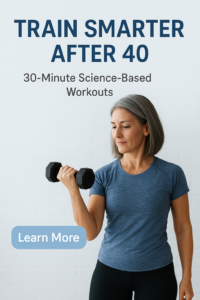
Turning 40 does not need to be the beginning of physical decline. It can be the beginning of a smarter, more effective approach to fitness.
For many women, this stage of life brings greater confidence, self-awareness, and a stronger desire to feel healthy, capable, and energized. But it can also bring some frustrating changes: stubborn weight gain, declining energy, loss of muscle, changes in body composition, and workouts that no longer seem to produce the results they once did.
If this sounds familiar, there is an important message you need to hear: your body is not broken. It simply needs a smarter approach to exercise.
As we age, natural physiological changes occur. Muscle mass gradually declines, metabolism can slow, and maintaining bone density becomes increasingly important. Hormonal changes can also make gaining body fat easier and losing it more difficult.
Unfortunately, many women respond by doing more cardio, eating less, and exercising harder and more frequently. That approach may seem logical, but more exercise is not necessarily better exercise. Excessive training can contribute to fatigue, inadequate recovery, and even further muscle loss.
The answer isn’t to punish your body with longer workouts. The answer is purposeful, progressive strength training.
Why Strength Training Becomes More Important After 40
Strength training is one of the most effective forms of exercise for maintaining muscle, improving body composition, supporting strong bones, and preserving physical independence as you age. And you don’t need to spend hours in the gym to get these benefits.
A properly designed strength-training program can produce excellent results with relatively short workouts performed just two or three times per week. The key is not how much time you spend exercising. It’s how effectively you stimulate your muscles and how well you recover afterward.
This is where High Intensity Training (HIT) can be particularly useful. HIT emphasizes relatively brief, focused workouts in which exercises are performed with a high level of effort and attention to proper technique. Instead of performing endless sets or spending hours on a treadmill or elliptical machine, the goal is to make each working set productive.
When combined with appropriate exercise selection, resistance, technique, and recovery, this approach can make your workouts remarkably efficient.
Strength Training Helps Preserve Muscle
One of the biggest concerns for women as they get older is the gradual loss of muscle mass. Most people have heard that your metabolism decreases as you age. It is important to know that one of the main reasons this occurs is that a proper strength training routine is not followed.
Muscle isn’t just about appearance. It plays an important role in strength, movement, physical function, and metabolic health.
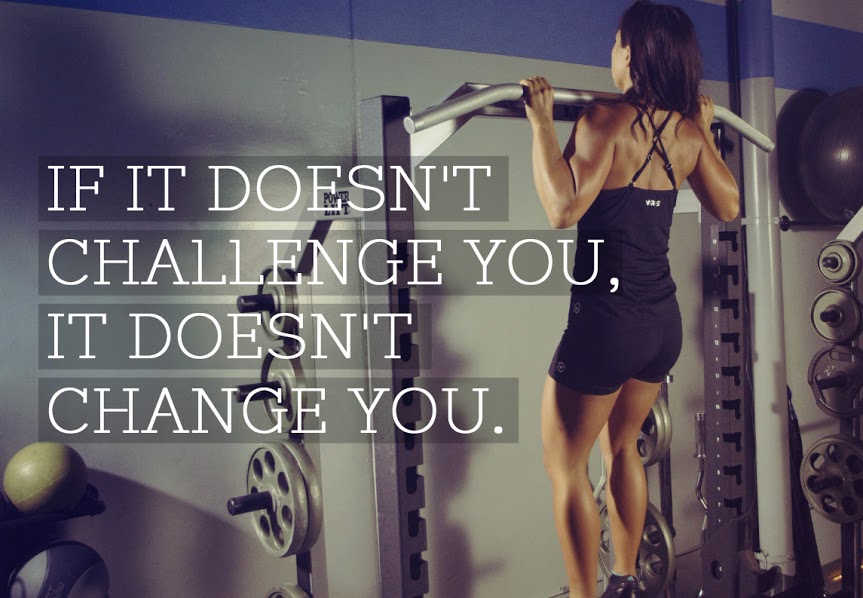
Resistance training provides the stimulus your muscles need to maintain and potentially increase their definition and strength. More importantly, continuing to challenge your muscles helps fight the gradual loss of muscle that can accompany aging.
Muscle is also metabolically active tissue. Maintaining more lean muscle can help support your daily energy expenditure (metabolism) and make managing body fat easier.
This doesn’t mean strength training is a magic solution for weight loss. Nutrition, daily activity, sleep, and overall lifestyle still matter. But building and maintaining muscle gives you a much stronger foundation for managing your body composition than relying on endless cardio and restrictive dieting.
Strength Training Supports Strong Bones
Bone health becomes increasingly important as women age.
Bone is living tissue, and it responds to mechanical stress. Properly performed resistance training places productive stress on the skeletal system and can help improve bone strength and bone density.
This is particularly important because declining bone density can increase the risk of osteoporosis and fractures later in life.
Strength training isn’t simply about looking better in the mirror. It’s an investment in the physical structure that allows you to remain active and independent for decades to come.
Of course, women with osteoporosis or other medical concerns should work with an appropriate healthcare professional to determine which exercises and levels of resistance are suitable for them.
Strength Training Changes the Way Your Body Looks
If your goal is to have a firmer, leaner, more athletic-looking body, building muscle should definitely be part of your strategy.
Many women mistakenly believe that cardio is the primary way to achieve a “toned” appearance. But muscle provides the shape and firmness that creates that look.
As you build or preserve muscle while managing body fat, your body can become leaner, firmer, and more defined.
That doesn’t mean you need to spend hours performing moderate-intensity cardio on a treadmill or elliptical trainer. Excessive cardio can actually prove to be detrimental to your overall fitness training. Cardiovascular exercise has an important place in a healthy lifestyle, but it should complement—not replace—effective strength training.
Strength Training Builds Confidence
The benefits of strength training aren’t limited to your muscles and bones.
Something is empowering about discovering that you are capable of doing things you once thought were beyond you.
Maybe you increase the resistance on an exercise. Maybe you perform an additional repetition with good form. Maybe an everyday task that once felt difficult suddenly becomes easy. These small victories accumulate.
Over time, strength training can change how you think about your body. Instead of viewing aging as a process of inevitable decline, you begin to recognize that your body can still adapt, improve, and become stronger. That confidence can carry over into everyday life.
Strength Can Improve Everyday Function
True strength goes far beyond lifting weights in the gym.
It shows up in everyday life—carrying groceries, climbing stairs, lifting a suitcase, getting up from the floor, and staying active in the activities you enjoy.

Developing strength and muscular control also supports better posture, balance, and overall physical stability. It can also reduce a person’s risk of injury.
Your goal shouldn’t be to simply look fit. Your goal should be to remain capable.
This is one of the most important reasons to make strength training a permanent part of your lifestyle.
Recovery Is Part of the Workout
One of the biggest mistakes people make when starting a strength-training program is believing that more exercise automatically produces better results. That is not the case. In fact, you do not become stronger or more fit when you exercise. The benefits of exercise happen when you rest, recover, and adapt from the workout.
Training provides the stimulus. Recovery allows your body to adapt to that stimulus.
After a challenging strength workout, your body needs time, nutrition, and adequate sleep to repair and adapt. Continuously training your body and your muscles without sufficient recovery can interfere with that process. This is one reason brief, productive workouts can be so effective.
If you train intelligently, you don’t necessarily need to exercise every day. For many people, two or three well-designed full-body strength workouts per week can provide an excellent foundation.
How to Get Started With Strength Training After 40
You don’t need a complicated program to begin. You need a program you can perform consistently and progressively.
Here are some important principles:
- Use full-body workouts. Train the major muscle groups rather than spending every workout focusing on isolated body parts.
- Train two or three times per week. Allow sufficient recovery between challenging workouts. Even just one intense workout can provide great results.
- Keep workouts focused. Your goal is productive exercise, not simply spending more time in the gym.
- Use controlled technique. Don’t sacrifice proper form just to lift heavier weights or perform more repetitions. Lift and lower the resistance slowly!
- Progress gradually. Over time, challenge your muscles by increasing resistance, repetitions, or improving your execution.
- Prioritize recovery. Adequate rest, sleep, and nutrition are essential parts of your training program.
- Eat enough protein and nutritious foods. Your body needs the raw materials to repair and maintain muscle.
- Be consistent. Sustainable results come from months and years of productive training—not from a few weeks of extreme effort.
And perhaps most importantly, don’t compare your current body with the body you had at 25.
Your goal isn’t to turn back the clock. You should strive to make the most of the body you have today.
Your Strongest Years May Still Be Ahead
Getting older doesn’t mean you have to accept becoming weaker, less active, or less capable.
Your 40s, 50s, 60s, and beyond can be some of your strongest and most productive years when you approach exercise intelligently.
Strength training can help you preserve muscle, build strength, increase bone health, improve body composition, increase physical capability, and build your personal confidence. And when you combine effective training with adequate recovery and good nutrition, you don’t need to spend countless hours exercising to make meaningful progress.
Exercise should work for you—not against you.
The goal isn’t to spend more time in the gym or to just go through the motions to complete another workout. You want to work toward making each workout more effective and more productive.
Focus on becoming stronger, healthier, and more capable as you age. If you’re over 40, there’s no reason to believe your best years of fitness are behind you. With intelligent strength training—and a commitment to regular, purposeful exercise—you can build a stronger body,
Strength Training For Women After 40: Build a Stronger, Leaner Body Read More »