High-Intensity Strength Training for Women Over 40: Stronger, Leaner, and Healthier
As a women move beyond the age of 40, your body begins to change in noticeable ways. Hormonal shifts, a gradual decline in muscle mass, reduced bone density, and a slower metabolism can make it more challenging to stay strong, lean, and energized. While many women turn to longer workouts or excessive cardio to compensate, research consistently shows that high-intensity strength training may be one of the most effective and efficient approaches for long-term health and fitness.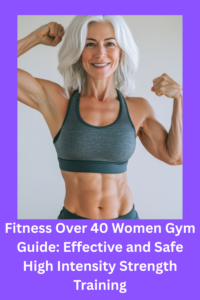
High-intensity strength training focuses on performing resistance exercises with a level of effort that deeply challenges the muscles, often in shorter, well-structured workouts. For women over 40, this style of training offers unique and powerful benefits that go far beyond aesthetics.
Preserving and Building Muscle After 40
One of the most significant age-related changes is sarcopenia, the gradual loss of muscle mass that begins as early as the 30s and accelerates with age. Muscle tissue is essential not only for strength and mobility but also for metabolic health, joint stability, and overall independence.
High-intensity strength training recruits a high percentage of muscle fibers, including fast-twitch fibers that are most prone to age-related decline. By training with sufficient resistance and effort, women over 40 can preserve existing muscle and stimulate new muscle growth, helping maintain strength, balance, and functional capacity for daily life.
Increasing Bone Density and Reducing Fracture Risk
Bone health becomes a critical concern for women after 40, particularly as estrogen levels decline during perimenopause and menopause. Reduced bone mineral density increases the risk of osteoporosis and fractures.
High-intensity strength training places controlled mechanical stress on bones through muscle contractions and load-bearing movements. This stress signals the body to reinforce bone structure, leading to improved or maintained bone density over time. Exercises such as squats or leg press, overhead presses, rows, and deadlift variations are especially effective for strengthening the spine, hips, and wrists—areas most vulnerable to fractures.
Improving Metabolic Rate and Energy Expenditure
Many women notice that maintaining body weight becomes more difficult with age. A key reason is a declining resting metabolic rate, largely driven by muscle loss. Muscle tissue is metabolically active, meaning it burns calories even at rest.
By building and maintaining lean muscle, high-intensity strength training helps raise or preserve metabolic rate, allowing the body to burn more calories throughout the day. Additionally, intense resistance training creates a phenomenon known as excess post-exercise oxygen consumption (EPOC), where calorie expenditure remains elevated after the workout has ended.
Supporting Fat Loss Without Excessive Cardio
High-intensity strength training can be a powerful tool for reducing body fat, particularly when combined with proper nutrition. Unlike long-duration cardio, which can sometimes contribute to muscle loss if overused, resistance training prioritizes muscle preservation while encouraging fat loss.
As muscle mass increases and metabolism improves, the body becomes more efficient at utilizing stored fat for energy. Many women find that their body composition improves—less body fat, more muscle tone—even if the scale does not change dramatically.
Enhancing Hormonal and Metabolic Health
Strength training has positive effects on insulin sensitivity, glucose regulation, and overall metabolic health. For women over 40, this is especially important, as the risk of insulin resistance and metabolic disorders increases with age.
High-intensity training also supports the release of beneficial muscle-derived compounds called myokines, which help reduce inflammation, improve fat metabolism, and protect against chronic disease. These systemic benefits make strength training a cornerstone of healthy aging.
Time-Efficient and Sustainable
One of the most appealing benefits of high-intensity strength training is efficiency. Workouts are typically shorter but highly effective, making them easier to sustain long-term. For busy women balancing careers, families, and personal commitments, this approach delivers maximum results without hours in the gym.
Building Confidence and Resilience
Beyond the physical benefits, high-intensity strength training builds mental toughness and confidence. As women grow stronger, they often experience a renewed sense of capability and control over their bodies—an empowering outcome that carries into all areas of life.
Final Thoughts
For women over 40, high-intensity strength training is not about pushing to exhaustion or chasing unrealistic goals. It is about training intelligently, challenging the body safely, and reaping long-term benefits that support strength, bone health, metabolism, and fat loss.
When performed with proper form, appropriate recovery, and progressive resistance, high-intensity strength training offers one of the most effective paths to staying strong, lean, and healthy for decades to come.